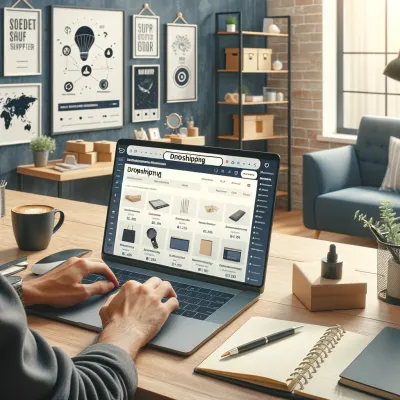
Dropshipping has revolutionized the e-commerce landscape, offering budding entrepreneurs a pathway to launch an online business with minimal upfront investment. This business model, where a store doesn't keep the products it sells in stock, eliminates the need for significant warehouse space and reduces the risks associated with purchasing inventory. Instead, when a store sells a product, it purchases the item from a third party and has it shipped directly to the customer. As such, the seller never sees or handles the product directly. This streamlined approach is what makes dropshipping particularly attractive for new entrepreneurs and seasoned sellers alike.
Dropshipping is a logistics model where a retailer does not keep goods in stock but instead transfers customer orders and shipment details to either the manufacturer, another retailer, or a wholesaler, who then ships the goods directly to the customer. This model not only cuts operational costs but also simplifies the entire sales process.
Dropshipping is a compelling business model for those looking to enter e-commerce without a significant upfront investment in inventory. However, success requires a strategic approach to niche selection, supplier partnerships, and ongoing marketing efforts. By leveraging tools and resources effectively, aspiring dropshippers can build profitable businesses that stand the test of time and market fluctuations.
This comprehensive guide not only clarifies the dropshipping process but also provides practical steps and strategies for those wondering how to start a dropshipping business, making it a vital resource for entrepreneurs at all levels.
Finding a winning product for dropshipping in 2024 requires a combination of market research, trend analysis, and strategic thinking. Here are steps to help you identify potentially successful products:
What is a good dropshipping business? Different people has different opinions.
Combined many successful cases (and of course failures as well) we find the key to a successful shopify dropshipping business is 3 factors:
● Low Competition
● Ralatively High Market Needs
● Growing Trend
Low competition decides if you can win in the very beginning.
Market needs volume defines how big is your business.
Google Trends point out the market growth potential.
Sounds pretty easy. But how can we know if one products competition level? Especially when it comes to Shopify Ecommerce. You don't really know what's the sales volume in competitors store, or even don't know who is your competitors.
So before we jump into the Product selection theory jungle, we'd like to share you some really practical methods and tips, which helps you to quickly know these essential data.
Google search term “XXXX” site:myshopify.com
This search term can filter out all the shopify stores which includingthe porduct "XXXX" .
For example, when i search "dog leash" site:myshopify.com, the google result shows me there are 15400 shopify stores which selling dog leashes. So there's quite a lot competitons in this filed.
Google Keywrods Planner is a free tool, we can see the dynamic search volume and the bid range, competition. Especially the "page bid" shows in details how's this specific keyword bidding online. Usually cpc cost reflect the competition level.
a. Niche Selection: Start by choosing a niche or category you are interested in or have knowledge about. A niche can be a specific hobby, industry, or product type.
b. Competitor Analysis: Research your competitors in the chosen niche. Identify successful dropshipping stores and analyze their product offerings, pricing strategies, and marketing tactics.
c. Google Trends: Use Google Trends to identify trending products and see if there is a growing or declining interest in your niche.
d. Marketplaces: Explore popular online marketplaces like Amazon, eBay, and AliExpress to discover products that are in demand and have good profit margins.
e. Social Media: Monitor social media platforms, especially Instagram, TikTok, and Pinterest, to identify products that are gaining traction through user-generated content and trends.
a. Customer Reviews: Check product reviews and ratings on e-commerce platforms to gauge customer satisfaction and identify potential issues with the product.
b. Market Demand: Use tools like Google Keyword Planner, SEMrush, or Ahrefs to determine the search volume and demand for your chosen product keywords.
c. Social Proof: Look for products with a strong presence on social media, influencers promoting them, and user-generated content like unboxing videos and reviews.
d. Dropshipping Platforms: Explore dropshipping-specific platforms like Oberlo or Spocket to find trending and high-demand products.
a. Costs and Margins: Calculate your costs, including product cost, shipping, and advertising expenses, and ensure you can maintain a healthy profit margin.
b. Shipping Times: Check the estimated shipping times for your chosen product to ensure they meet customer expectations.
1. Testing:
a. Start Small: Begin by testing your product with a small budget to gauge its market response.
b. Ad Campaigns: Create compelling ad campaigns on platforms like Facebook Ads, Instagram Ads, or Google Ads to drive targeted traffic to your store.
c. Split Testing: Experiment with different ad creatives, targeting options, and product variations to optimize your campaigns.
2. Customer Feedback and Iteration:
a. Gather Feedback: Collect feedback from customers through reviews and surveys to improve your product listings, customer service, and overall shopping experience.
b. Adapt and Expand: Based on the performance of your initial product, adapt your strategy, and consider expanding your product range to capitalize on other opportunities.
3. Brand Building:
a. Create a Brand: Focus on building a strong brand presence that customers can trust. Invest in branding elements like a professional website design and high-quality product images.
b. Content Marketing: Use content marketing to educate and engage your audience through blog posts, videos, and social media.
Diffshop is an all-in-one maketing tool, which helps us to quickly locate the hot selling proudct, spy on our competitor stores and how's their ads performance.
Remember that the key to finding a winning product for dropshipping is not just about the product itself but also about effective marketing, customer service, and ongoing optimization. Stay agile, keep up with industry trends, and be prepared to pivot your strategy as needed to stay competitive in the ever changing ecommerce landscape.
Before any investment on your shopify online business, one should always research the market and competitor in a very serious way. More information we get, more likely we're going to sucess. Usually 80% of the success is rely on the product/niche market we find.
Finding the best-selling products on Shopify involves several steps, including market research, understanding current trends, and utilizing various tools and strategies. Here's a comprehensive guide on how to identify and sell successful products on Shopify:
To begin, you should explore current trends and products that are popular among consumers. This can involve:
Analyzing Social Media Trends: Platforms like TikTok, Pinterest, and Instagram are great for spotting trending products and understanding consumer interests. Use analytics tools to gather insights about what products are popular and tailor your offerings accordingly.
Leveraging Online Marketplaces: Platforms such as AliExpress can help identify trending products. For example, a soap container designed to prevent slipping could be a unique find. Be mindful of saturated markets, though, and focus on problem-solving items.
Exploring Trade Shows and Global Manufacturers: Trade shows are valuable for connecting with manufacturers and exploring partnership opportunities, while platforms like Alibaba provide a wide range of products and access to global manufacturers.
Based on research and insights from various sources, here are some of the best product categories to consider for your Shopify store in 2023:
Technology and Gadgets: Items like car and bike accessories, consumer electronics for home offices, and wearable fitness trackers are in high demand.
Fashion and Accessories: This category remains strong with products like shoes, sneakers, and smartphone accessories being particularly popular.
Health and Wellness: Products like anti-aging serums, health supplements, and fitness equipment are increasingly sought after.
Home Decor and Furniture: This market is growing, with products like bookshelves, indoor plants, and home furnishings being popular choices.
Sustainable and Vegan Products: Eco-friendly and vegan items are trending, appealing to environmentally conscious consumers.
Pet Accessories: With the increase in pet ownership, products like personalized collars and pet toys have seen a rise in demand.
Customer Reviews: Analyzing customer reviews on existing products can provide insights into emerging trends and customer pain points, helping you refine your product offerings.
Keyword Research: Tools like Keywords Everywhere and Helium 10 can help identify popular search terms related to your product niche, guiding your product selection and marketing strategies.
Once you've identified potential products, focus on optimizing your Shopify store for maximum sales. This includes designing attractive product pages, enabling customer reviews, ensuring fast website performance, and offering promotions like free shipping.
Carefully consider your pricing strategy, taking into account competitor prices, customer acquisition costs, and desired profit margins. Use market research and analytics tools to track customer behavior and adjust prices accordingly.
Efficient fulfillment and shipping services are crucial. Partner with reliable logistics providers and shipping carriers to ensure timely delivery and cost-effective solutions.
Utilize social media networks for promotion, targeting your audience with appropriate content and offers. Engage in online discussions and understand customer preferences to tailor your marketing approach.
By following these steps and continuously monitoring market trends and customer feedback, you can successfully identify and sell the best products on your Shopify store. Remember, the key is to stay adaptable and responsive to changing consumer demands and market conditions.

TikTok has emerged as a major marketing platform for e-commerce brands. For businesses targeting the younger demographic, it's become indispensable. As the platform grows, understanding your competitors' ad strategies on TikTok has never been more critical.
Helps in understanding market trends.
Offers insights into what's working and what isn't.
Saves money by avoiding mistakes competitors might have already made.
Provides a benchmark to measure your ad performance against.
TikTok Pixel Helper:
A chrome extension that detects TikTok ad pixels on websites.
Case Study: It was found that Bloom Cosmetics used TikTok ads because their website had the pixel. This could mean they're targeting the younger demographic through TikTok.
Use Spy Tool like Big Spy or Diffshop:
A versatile tool that lets you spy on competitor ads across various platforms including TikTok.
Features: Allows users to filter by website type, region, ad format, etc.
Pricing: While there's a free version, the more advanced features come with the paid plans starting at $9. For those uncertain about its utility, there's a special offer: just $1 for a three-day trial.
TikTok Creative Center:
This is TikTok's own platform, showcasing top-performing ads.
Metrics Included: They provide details like click-through rates and a six-second view rate.
Filters: Users can sift through ads based on region, industry, and marketing objectives.
Addison:
A tool designed to save and organize the TikTok ads you discover.
Compatibility: Works seamlessly with Big Spy and TikTok Creative Center, offering a consolidated view of your findings.
Diffshop - The All-In-One Shopify Spy Tool:
Introduction: Diffshop stands out as an all-encompassing Shopify spy tool for e-commerce brands. Originating from a dedicated team at Diffshop.com, this tool provides an expansive range of features that surpasses many of its contemporaries.
You can easily sort out and find your target niche market, by country, time, keywords, etc.
You can easily check the valuable TikTok ads insight data, such as impressions, likes, like rates, how much does it cost and the how long time the ads running.
Pricing & Features: Although the pricing starts from $0/month - the Free version, the value it offers justifies the cost. Not only does it cover TikTok ads, but Diffshop also offers insights into competitor products, store analytics, and other essential e-commerce data.
Why Consider Diffshop? The comprehensive features give brands a 360-degree view of the competition, enabling them to make informed decisions on their ad campaigns, product listings, and overall e-commerce strategy.
E-commerce brands with a monthly revenue between $20,000 to $30,000 should contemplate enlisting the services of e-commerce marketing agencies. These agencies come equipped with the expertise and tools to craft a tailored TikTok ad strategy that could prove invaluable.
Regularly spying on competitors is not just about emulation but gaining insights to refine and enhance your own strategy. It’s about understanding market dynamics, capitalizing on emerging trends, and ensuring you stay ahead of the curve.
Ever found yourself scratching your head, trying to figure out how your competitors are doing on their DTC e-commerce sites? You're not alone. Many entrepreneurs wonder about the sales figures of other stores and which ones are selling products similar to theirs.
One of the most frequently asked questions by entrepreneurs and competitors alike is: Can you see how many sales a Shopify store has? We're here to provide a comprehensive answer to this question and delve deeper into the intricacies of Shopify's platform.
Shopify, as one of the leading e-commerce platforms, offers a plethora of tools and analytics for store owners. However, for those who aren't store owners but are curious about a store's performance, the information isn't as readily available.
The direct answer to the question is no, you cannot directly see the exact number of sales a Shopify store has made. Sales data is considered sensitive information, and Shopify protects the privacy of its merchants. However, there are indirect methods to gauge a store's popularity and performance.
While platforms like Amazon have a slew of analysis tools, such as "Seller Spirit" and "Jungle Scout", things get a tad trickier for independent sites. The market has long felt the absence of a straightforward tool to spy on similar stores.
Before stumbling upon Diffshop, here's how I tried to crack the code:
I'd use tools like SimilarWeb or SEMrush to get a sneak peek into the traffic data of rival websites. Then, considering the number of SKUs and the price tags on the products, I'd try to guess the average order value. Taking into account the typical conversion rate of Shopify stores, say 1%, I'd do a bit of math: Traffic x Average Order Value x 1% Conversion Rate. But here's the catch: if my data was even slightly off, the results could swing wildly. Imagine if the actual conversion rate was 2% instead of 1% - that's a potential doubling of the sales volume!
Another trick was to place an order on a competitor's site. Let's say the order number was #0011. Given Shopify's numbering starts from #0001, this would mean I was the 11th customer. Wait a couple of days, place another order, and if the number is, say, #0059, it's clear they sold 48 items in those two days. Simple math tells me that's about 24 items a day. But this method burns a hole in the pocket. Not to mention, some stores don't even offer refunds once they ship out. It's a decent strategy for one website, but scaling it up to 10 or 20? Not so much.
One way to estimate sales is by looking at product reviews. A high number of reviews can indicate that a product is popular and has been purchased frequently. However, this method isn't foolproof. Some customers might not leave reviews, and others might leave reviews without making a purchase.
Shopify stores have a hidden "/collections/all?sort_by=best-selling" URL that can show the best-selling products of a store. By analyzing these products and their reviews, one can make an educated guess about the store's sales volume.
There are several tools available that offer competitor analysis for e-commerce platforms, including Shopify. These tools can provide estimates on monthly sales, revenue, and other valuable metrics. However, it's essential to approach these numbers as estimates rather than exact figures.
I even gave Commerce Inspector a whirl. But a month in, I had to call it quits. The hefty price tag was one thing, but the real deal-breaker was the inaccurate data. When I tested it on my store, the numbers were way off. Plus, it couldn't even fetch data for many competitor sites.
Then, like a breath of fresh air, I came across Diffshop. Running a few tests with my stores, I was pleasantly surprised. The tool's predictions were on point. Sure, it wasn't a perfect match, but with an error margin of just about 10%, it was pretty darn close.
Store Sales Insights:
Best-sellers Breakdown:
Ad Analysis:
Remember, the right tools can make or break your game. So, before diving into the world of DTC e-commerce sites, make sure you're armed with top-notch research.

Finding the right product to sell on Shopify can make or break your e-commerce journey. A winning product can drive high sales figures and profits, making your store a success. Here's a comprehensive guide to help you identify those golden opportunities:
• High Demand: The product should be something that customers are actively searching for.
• Unique: It should stand out from the crowd, offering something that other products don't.
• Profitable: Ensure there's a good margin between your buying and selling price.
• Lightweight: Products that are easy and cheap to ship are generally more profitable.
• Good Reviews: Positive feedback from other sellers or customers can indicate a product's potential.
a. Study Amazon Best Sellers:
• Amazon's bestsellers list is updated hourly, providing insights into trending products.
• The 'Movers & Shakers' section on Amazon can also give you a glimpse of rapidly trending products.
b. Use TikTok Search:
• Search for hashtags like #tiktokmademebuyit, #amazonfinds, #coolgadgets, #amazonreview, and #productreview.
• Filter results to see trending products from the last three months.
• Look for videos with more than 100k likes and check comments for purchase intent.
c. Use Facebook Search:
• Search for phrases commonly used in ad copy like "Shop Now", "Free Shipping", or "Limited Time Only".
• Filter results by 'video' and set the 'date posted' to 'this month'.
• Look for ads with high engagement (comments, likes, shares) to identify trending products.
d. Bookmark eBay Watchcount:
• Use eBay Watchcount to see products with the most watchers on eBay.
• Products with a high number of watchers typically indicate a strong market interest.
Before finalizing a product, ensure it meets the following criteria:
• Shipping: Consider shipping costs and duration. Ideally, offer free shipping or build the shipping cost into your selling price.
• Weight: Lighter products are generally better for dropshipping.
• Markup: Ensure there's a good profit margin after accounting for ad costs.
• Natural Validation: Use common sense to evaluate the product's appeal. Does it solve a problem? Is it something people need?
• Use tools like "Keepa" to check the price history of a product on Amazon. A steady price indicates less saturation, while a dropping price can indicate oversaturation.
• Other Chrome extensions like "Saturation Inspector" can also help gauge saturation.
• AliExpress & Alibaba Dropship: These platforms offer a wide range of products at competitive prices. However, be mindful of shipping times and quality control.
• US/Country Sourcing: Sourcing locally can offer faster shipping times and better quality control but might come at a higher price.
Diffshop is a powerful tool that aids e-commerce sellers in researching competitor data, spying on Shopify store's sales revenue, hot selling products, and even ad campaigns across platforms like Facebook, TikTok, and Instagram. By leveraging the insights provided by Diffshop, sellers can make informed decisions about which products have the potential to be winners in the market. The platform's comprehensive analytics can help you identify trends, understand consumer behavior, and ultimately, find the best products to sell on Shopify.

This is the Diffshop Temu Monthly Trending Products 2025-04-18
We have created a snapshot for you! We make our picks based on units sold, sales revenue, month over month growth rate, SKU title, SKU price and other metrics. Read the report below, get ideas and find winning products for your dropshipping product research!
With Diffshop, you can achieve a lot more! We help you to gain first hand insights into the e-commerce world, Imagine what you can achieve if you have the insights your competitors don't! Diffshop offers live monitoring of 9M+ stores, 1B+ products, 200M+ keywords and 60M+ ads, try our incredible features now: Shopify Store Research , Shein Product research , Facebook Ad Research , Instagram Ad Research , TikTok Ad Research .

This is the Diffshop Temu Monthly Best Sellers 2025-04-18
We have created a snapshot for you! We make our picks based on units sold, sales revenue, month over month growth rate, SKU title, SKU price and other metrics. Read the report below, get ideas and find winning products for your dropshipping product research!
With Diffshop, you can achieve a lot more! We help you to gain first hand insights into the e-commerce world, Imagine what you can achieve if you have the insights your competitors don't! Diffshop offers live monitoring of 9M+ stores, 1B+ products, 200M+ keywords and 60M+ ads, try our incredible features now: Shopify Store Research , Shein Product research , Facebook Ad Research , Instagram Ad Research , TikTok Ad Research .
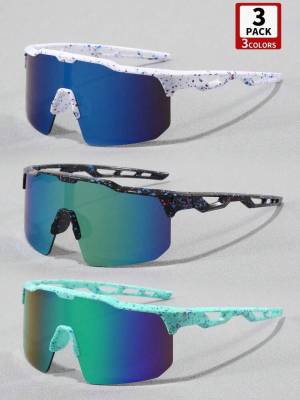
This is the Diffshop Shein Monthly Trending Products 2025-04-15
We have created a snapshot for you! We make our picks based on units sold, sales revenue, month over month growth rate, SKU title, SKU price and other metrics. Read the report below, get ideas and find winning products for your dropshipping product research!
With Diffshop, you can achieve a lot more! We help you to gain first hand insights into the e-commerce world, Imagine what you can achieve if you have the insights your competitors don't! Diffshop offers live monitoring of 9M+ stores, 1B+ products, 200M+ keywords and 60M+ ads, try our incredible features now: Shopify Store Research , Shein Product research , Facebook Ad Research , Instagram Ad Research , TikTok Ad Research .

This is the Diffshop Shein Monthly Best Sellers 2025-04-15
We have created a snapshot for you! We make our picks based on units sold, sales revenue, month over month growth rate, SKU title, SKU price and other metrics. Read the report below, get ideas and find winning products for your dropshipping product research!
With Diffshop, you can achieve a lot more! We help you to gain first hand insights into the e-commerce world, Imagine what you can achieve if you have the insights your competitors don't! Diffshop offers live monitoring of 9M+ stores, 1B+ products, 200M+ keywords and 60M+ ads, try our incredible features now: Shopify Store Research , Shein Product research , Facebook Ad Research , Instagram Ad Research , TikTok Ad Research .

The pet market offers an exciting chance to build a profitable business. Market projections show the global pet market will hit USD324.19 billion by 2024 with a 7.03% annual growth rate. The numbers speak volumes - 65.1 million U.S. households own dogs and 46.5 million have cats. This creates a huge market that just needs to be tapped.
Pet dropshipping stands out as a lucrative venture in this thriving market. My experience confirms this trend. The pet care sector shows promising growth and will reach USD368.88 billion by 2030. The market looks even more promising as pet food revenue alone will touch USD158.42 billion in 2025, growing steadily at 5.79% yearly.
This piece covers the most profitable pet product categories and winning strategies to launch your dropshipping business. You'll learn everything about succeeding in the pet products market, from organic treats to interactive toys.
The pet industry has become a goldmine for dropshipping entrepreneurs in 2025. Pet owners keep spending steadily even during economic ups and downs. This makes the niche especially strong for online retailers. Let's take a closer look at what makes pet products an exceptional choice for your dropshipping business.
The numbers behind the pet industry's growth tell a compelling story for dropshippers. The American Pet Products Association (APPA) reports that U.S. pet industry expenditures reached an impressive USD152 billion in 2024. The projections show this will grow to USD157 billion in 2025. This steady growth shows why the pet market has become the life-blood of successful ecommerce operations.
Recent data shows that 94 million U.S. households own at least one pet, up by a lot from 82 million in 2023. More households now have pets than ever before - 68 million have dogs (51% of all U.S. households), while 49 million have cats (37%).
Young people are pushing this market forward rapidly. Gen Z showed a 43.5% increase in pet ownership from 2023 to 2024. They now make up 20% of U.S. pet-owning households. These young pet owners tend to have multiple pets, with 70% of them caring for two or more furry friends.
The global pet market looks even more promising. It's currently worth about USD324.19 billion and grows at a CAGR of 7.03%. Some experts believe the market could hit USD500 billion by 2030. These numbers show this dropshipping niche will stay strong for years to come.
Pet products have much lower return rates than other ecommerce categories. The average ecommerce return rate sits between 20-30%, but pet products see much better numbers.
Pet products see fewer returns for several reasons. Many items are consumable or practical, which reduces buyer's remorse. Recent data shows sizing issues cause 65% of online returns. These problems happen less often with pet products than with fashion items.
There's another reason for lower returns - pet owners feel emotionally connected to their purchases. They research products really well before buying because they care about their pets. This leads to smarter buying decisions.
Pet food remains the industry's biggest segment. These products rarely come back once opened, which helps keep return rates low for pet product dropshippers.
Product Category: Average Return Rate
Fashion/Apparel: 20-30%
Electronics: 18-25%
Home Goods: 15-20%
Pet Products: 5-10%
Note: These figures represent industry averages based on the provided factual keypoints.
Pet owners stay incredibly loyal to brands they trust. Almost nine in ten consumers look for specific brands when buying pet supplies like food or toys. U.S. consumers show more brand loyalty for pet products than for their own purchases.
This loyalty creates steady repeat business. Industry data shows that while nearly 90% of pet owners noticed higher pet food prices in the last year, less than 20% switched to cheaper options. Another survey found similar results - only 17% of people thought about switching to lower-priced pet food despite price increases.
Pet spending stays strong even during tough economic times. Despite inflation, 77% of U.S. pet owners say the current economy hasn't changed how they care for their pets. Many people cut other expenses before reducing what they spend on their pets.
Pet stores benefit from this loyalty pattern. One industry source notes, "Loyal customers buy more often and recommend the store to others, creating steady revenue". This means dropshippers who focus on quality products can build lasting customer relationships and reliable income streams.
The pet niche offers many product categories, creating multiple opportunities for dropshipping entrepreneurs.
Pet food stays the life-blood, but other categories show excellent profit potential:
Many of these categories feature products that need regular replacement, which creates steady revenue. Pet food, treats, grooming supplies, and waste management products fit this pattern.
The pet industry keeps evolving as eco-friendly products, organic pet food, and specialized health items gain popularity. These niches often command higher prices while attracting dedicated customers.
This variety lets dropshippers test different product categories and find their best market position without big inventory investments. Your business can easily adapt to changing customer priorities by updating your product offerings.
Pet dropshipping success starts with picking the right product categories. My research shows five categories that deliver great profit margins and keep customers coming back.
Pet technology has evolved way beyond simple products into sophisticated devices that boost pet care. Smart pet feeders make portion control and scheduled feeding easy - a perfect solution when owners are busy. Pet cameras with night vision and two-way audio help owners stay connected with their pets from anywhere.
GPS trackers are another booming segment that gives owners peace of mind about their pets' whereabouts. These devices sell between USD40-120, with profit margins around 40-50%.
Pet tech makes a great dropshipping category because:
Sales really pick up around holidays and gift-giving seasons. These products tap into both practical needs and emotional connections with pets.
Pet owners now want environmentally responsible products more than ever. This shift creates amazing chances for dropshippers who focus on eco-friendly items.
This category includes:
Green pet products come with great profit margins since customers will pay more for environmentally responsible options. Markups usually hit 50-60%, making these products very profitable.
"More pet owners seek organic, eco-friendly pet products," a supplier report confirms. This shows a lasting change in what pet owners want.
Pet health supplements have become the life-blood of pet care as owners take a comprehensive approach to their pets' wellbeing. Products range from tablets to powders and liquids - each meeting specific health needs.
Popular items include:
The numbers look great here. Health supplements can bring 50-65% markups, making them excellent dropshipping products.
Flea and tick prevention products sell consistently year-round. These items meet essential health needs while giving owners peace of mind, leading to regular purchases.
Pet food leads the industry, giving dropshippers plenty of specialized options beyond regular kibble. Today's market includes organic, hypoallergenic, and prescription foods.
Best-selling items include:
Treats work especially well in dropshipping since they generate steady sales. "Every dog owner has tried teaching their pup to sit, spin, or play dead—and treats are the ultimate reward!" one industry source points out. This means customers keep coming back.
Profit margins on specialized treats run between 30-50%. While margins might be slimmer than other categories, high sales volume makes up for it.
More pet owners take their companions on adventures now, making travel and outdoor equipment a fantastic dropshipping category. Pet carriers top the must-have list, with styles and sizes for every breed and travel type.
You'll find great sellers like:
Pet strollers offer unique opportunities by helping older pets, small breeds, or animals with mobility issues. These higher-priced items can bring in substantial profits per sale.
Travel gear sales spike during vacation seasons. Profit margins typically range from 40-55%, making this category perfect for dropshippers who focus on quality and unique designs.
Product Category: Typical Profit Margin: Consumer Demand Pattern
Pet Tech: 40-50%: Growing steadily
Eco-Friendly Products: 50-60%: Rapidly increasing
Health & Wellness: 50-65%: Consistently strong
Specialized Food/Treats: 30-50%: High volume, recurring
Travel & Outdoor Gear: 40-55%: Seasonal peaks
These five categories each offer unique advantages. Starting with one or two that match your interests makes sense. You can expand your product range as you learn what your customers want most.
The right supplier can make or break your pet product business. Your choice directly shapes customer happiness, product quality, and your company's reputation. Let's explore what you need to think over when picking pet dropshipping partners.
Where your supplier is based substantially affects shipping times, product rules, and pricing. Here's what you should know:
US-based suppliers bring several advantages to the pet niche:
Pet Stores USA, TopDawg, and Essential Pet Products stand out as prominent US-based options with large pet product catalogs.
Chinese and other international suppliers typically offer:
CJ Dropshipping and Eprolo are time-tested international sources for pet products.
US market sellers often do best with a mixed approach. They use domestic suppliers for rush orders and international ones for less time-sensitive items.
Pet products must meet strict rules. Your suppliers need to follow proper safety standards:
The Consumer Product Safety Commission (CPSC) oversees pet product safety in the US, focusing on:
The Food and Drug Administration (FDA) watches over pet food products, which must be:
California's Proposition 65 adds extra rules about harmful substances in pet products sold there - covering everything from toys to accessories.
Here's how to check if suppliers follow the rules:
One industry expert puts it this way: "Working with trusted suppliers helps ensure product quality, safety, and compliance with industry standards".
Using multiple suppliers lets you compare quality and protects you from running out of stock. You can also switch quickly if a supplier runs into regulatory issues.
Quick delivery can set you apart from competitors in the pet market. Today's customers expect fast shipping.
Suppliers offer various shipping methods:
FedEx, UPS, USPS, and DHL are the go-to carriers for pet product suppliers. Each has its own rates and delivery schedules.
To get the best shipping results:
Platforms like Diffshop connect you to reliable suppliers, helping you discover trending products and streamline your sourcing process. It’s especially useful for finding suppliers that offer faster delivery options and popular items in demand. Services like Sell The Trend also support supplier discovery with added supply chain tools.
Pet food shipping across borders requires extra care. Each country has specific regulations around ingredients, labeling, and customs. Overlooking these can result in delayed shipments and frustrated customers.
The best suppliers should offer:
It's worth mentioning that shipping speed matters more for some products than others. Pet food needs quick delivery, but furniture or seasonal items can take longer.
Pet dropshipping success depends on effective marketing once you have quality products and reliable suppliers. The U.S. pet market will reach USD 147.00 billion in 2024. You need smart promotion strategies to grab even a small slice of this massive market.
A solid content marketing strategy helps build credibility and draws potential customers to your store. Your blog should feature articles that help solve pet owner problems and answer common questions. Articles like "How to Choose the Right Food for Your Dog" or "Top 5 Ways to Keep Your Pet Healthy" add real value to readers.
Good content serves several goals:
Educational content works better than direct selling in pet care. You could write guides about pet nutrition, training tutorials, or breed-specific care tips. This approach positions your store as a helpful resource first and a product seller second.
Pet owners searching for solutions find quality content through search engines. These visitors often become customers after they see your expertise and check out your products.
Pet products thrive on social media platforms. Pet content gets high engagement rates across platforms. Instagram, Facebook, and TikTok have proven particularly powerful.
Each platform needs its own strategy:
Instagram: High-quality product photos, pet lifestyle images. Use hashtags like #petcare, #dogtoys
TikTok: Short, entertaining videos of pets using products. Create trend-based content
Facebook: Community discussions, longer educational content. Promote group engagement
"Pet owners love sharing photos and stories about their pets," notes one marketing expert. This emotional bond creates natural engagement opportunities. Your brand recognition grows with regular posts and consistent branding.
Smart hashtag use expands your reach. Tags like #PetLovers and #DogsofInstagram connect you with interested audiences. Pet content stays popular across major platforms despite changing algorithms.
Pet influencer marketing has become a game-changer. About 92% of consumers trust influencers more than traditional ads. This trust affects buying decisions directly.
The pet influencer world ranges from celebrity animals with millions of followers to micro-influencers with dedicated niche audiences. Instagram and TikTok host the most active pet influencer communities where audiences look for product recommendations.
Successful collaborations include:
Micro-influencers often give better results for smaller dropshipping businesses. These accounts typically have 10,000-50,000 followers but get higher engagement rates than mega-influencers.
Personalized messages work better than generic pitches when reaching out to potential partners. Watch your metrics carefully afterward to see which partnerships drive actual sales rather than just engagement.
Email marketing brings amazing returns for pet businesses, showing a 4400% ROI on average. This direct communication builds stronger customer relationships than social media alone.
Successful pet industry email campaigns include:
Smart segmentation makes pet email marketing more effective. Split your list based on pet type, age, or buying history. "You may segment your audience depending on the type of pet they have, so that each group will receive emails with specific and relevant content".
Growing your email list naturally through website opt-in forms and valuable lead magnets works better than buying lists. Quick list growth happens when you offer instant discounts or pet care guides for email signups.
Regular analysis helps improve your strategy. Track opens, clicks, and conversions to see what content strikes a chord with your audience.
Pet dropshippers face several obstacles despite growing opportunities in the pet niche. New entrepreneurs need a solid grasp of these challenges to succeed in this competitive market.
Pet products, especially food and supplements, must follow strict rules. The FDA watches pet food under the Federal Food, Drug, and Cosmetic Act. Products must be safe, made in clean conditions, free from harmful substances, and labeled correctly. The Food Safety Modernization Act requires safety measures and lets FDA conduct inspections.
Rules vary by region and affect your business in different ways:
"Compliance with legal regulations is one of the main challenges of dropshipping pet products," notes an industry expert. This rings true for items like pet food that need licenses in some countries. UK sellers should reach out to local councils to learn about their rules.
Pet product sellers face ups and downs with seasonal changes. Holiday periods and summer months bring spikes in demand for certain items. This can make inventory management tricky.
Two main challenges emerge from these seasonal patterns:
More competitors target similar products during peak seasons. Stores must create unique strategies and features to stand out.
Short selling windows need careful planning. As one expert puts it, "Seasonal dropshipping offers limited sales windows; when they open, we must be ready to take advantage of them."
Selling across different niches with varied peak seasons helps tackle these swings. This strategy keeps revenue flowing year-round without depending on narrow timeframes.
Big brands and retailers already dominate the pet products market. A clear value proposition and smart marketing help new sellers stand out.
Large retailers lead with next-day shipping, customer trust, and bulk buying discounts. All the same, dropshippers can win by:
Price wars with retail giants rarely work. Quality, expertise, and specialized products make better selling points.
Pet owners care deeply about product quality and safety. Research shows 92% of shoppers worry about sharing personal info on new websites.
This number jumps to 95% for unknown sites. Pet product dropshippers must address these concerns head-on.
Smart ways to build trust include:
Detailed FAQs answer questions about quality, supplier background, returns, and shipping times. This shows customers you have an active community and value their concerns.
Clear policies for privacy, returns, and shipping make a difference. About 88% of people worry about online data security, so transparent privacy rules matter.
Trust badges from payment and security providers add credibility. Payment method logos like Visa and Mastercard help too - they connect your store to brands people trust.
Customer reviews work best since 92% of buyers trust what other customers say more than ads.
Pet product dropshipping is a game-changer in today’s market. The industry is expected to hit USD324.19 billion by 2024. This niche offers major advantages—low return rates, loyal customers, and consistent repeat purchases. Success starts with choosing the right products. Items like pet tech devices, eco-friendly toys, and health supplements offer profit margins between 40–65%. Pet owners prioritize quality and care, often placing less importance on price. Finding reliable suppliers is key to scaling fast. While U.S. suppliers offer speed and compliance, international partners often bring better pricing and a wider variety. Many successful sellers use both. Platforms like Diffshop make it easy to discover trending pet products and connect with trusted suppliers—saving you time and reducing risk.
For marketing, use multiple channels. Instagram, TikTok, and email campaigns drive strong results, especially when targeting by pet type. Collaborating with pet influencers builds credibility and boosts conversions. Yes, there are challenges—compliance and competition from major retailers among them. But by focusing on specialty products, maintaining high standards, and building genuine connections with pet owners, you can thrive. The pet industry continues to grow, even in uncertain times. With more young people owning pets than ever, now is the perfect time to launch your dropshipping store and tap into a thriving, passionate market. Start smart—with tools like Diffshop—and position your brand for long-term success.
Q1. What are the most profitable pet product categories for dropshipping?
Top-performing categories include pet tech devices (smart feeders, GPS trackers), eco-friendly products, health and wellness items (like supplements), specialty pet food and treats, and travel gear for pets. These typically offer profit margins ranging from 30% to 65%. Tools like Diffshop make it easier to spot trending pet products and identify reliable suppliers with competitive pricing.
Q2. How can I build trust with pet owners as a dropshipping business?
Build trust by offering clear, detailed product descriptions, honest customer reviews, and excellent customer service. Display trust badges and transparent policies. You can also create helpful, pet-related content to position your store as knowledgeable and reliable. A smooth return process and accurate shipping info go a long way in reassuring customers.
Q3. What marketing strategies work best for pet product dropshipping?
Use engaging, pet-centric content on social platforms like Instagram and TikTok. Collaborate with pet influencers and run targeted email campaigns based on pet types or customer behavior. Personalized content builds stronger connections, leading to better engagement and conversions.
Q4. How do I handle seasonal demand fluctuations in the pet product market?
Diversify your catalog to include products with demand across various seasons. For peak seasons, plan ahead and create focused campaigns to stand out. Mix in evergreen items to maintain stable year-round sales. Using platforms like Diffshop can help you stay ahead of seasonal trends.
Q5. What are the main challenges in pet product dropshipping and how can I overcome them?
Major challenges include staying compliant with regulations, managing seasonal trends, competing with big-name retailers, and gaining customer trust. Focus on niche products, stay informed, and build a trustworthy brand through content, transparent practices, and dependable service. Diffshop can support your efforts by helping you find verified suppliers and trending items to keep your store competitive.

The baby product market will reach USD419 billion by 2032. This makes dropshipping baby products an appealing business venture. The market grows steadily at 9.1% yearly and should hit USD22.79 billion by 2033. These numbers show remarkable potential for anyone starting out.
This niche stays profitable because babies arrive every day. Parents just need essential items like diapers, bottles, and clothing. Product margins can range from 20% to 60%, based on what you sell. Parents always look for safe, quality products for their children. The rise of eco-conscious parenting creates new chances in organic and environmentally responsible products.
As I wrote in this piece, we'll help you decide if selling baby products through dropshipping fits your goals. You'll learn about the market potential and the most profitable items to sell. We'll also share practical tips to help you succeed in this expanding market.
The baby products market in 2025 shows huge money-making potential for entrepreneurs who want to start dropshipping baby products. Getting a clear picture of where this industry stands today and where it's headed helps explain what you need to know before jumping in.
The baby products market in 2025 boasts impressive numbers from several research sources. The global baby care products market could hit USD 169.38 billion in 2025. Some experts predict the market will grow even bigger to USD 254.27 billion that same year. Other forecasts paint an even more optimistic picture, suggesting the market might reach USD 361.2 billion by 2025.
The numbers tell an interesting story region by region. Asia Pacific leads the pack in the baby products world with a whopping 43.1% market share. Higher birth rates in countries like India and China keep this region at the top. North America holds its ground too, thanks to new technology and working parents who buy advanced products.
These numbers spell good news for anyone thinking about dropshipping baby products. Markets of all sizes show great promise. The US baby care products market alone should hit USD 50.6 billion by 2034, which points to huge opportunities in North America.
The baby products industry looks set for strong growth in the years ahead. Research shows the market will grow yearly between 4.3% and 7.41% through the early 2030s. One study predicts growth from USD 254.27 billion in 2025 to USD 419.43 billion by 2032, growing at 7.41% each year.
Other predictions suggest the market might reach:
These steady growth numbers from multiple sources answer the question "can you make money dropshipping baby products?" clearly. The market keeps expanding steadily, which creates perfect conditions for new businesses, especially those focusing on up-and-coming product types.
Baby products stay in high demand for several key reasons, making this market perfect for dropshipping businesses. Parents keep spending on baby care even when money gets tight. They put their children's needs first, no matter what.
Modern parents lean toward high-quality, premium baby products. They care more about their babies' health, hygiene, and safety than ever before. This creates a perfect opening for dropshipping stores to sell specialized, premium items at good prices.
More women joining the workforce, especially in countries like India, China, and South Africa, helps the market grow. Busy parents look for convenient solutions that save time and offer multiple benefits.
Parents also want chemical-free and safe baby care products more than ever. Health concerns about synthetic products create strong markets for:
New technology revolutionizes the baby products market. Smart baby monitors, better-designed strollers, and other tech-enhanced products catch the eye of modern parents looking for easier ways to care for their little ones.
Online sales keep growing too. Baby product sales through online channels should grow 7.7% yearly from 2024 to 2030. This trend fits perfectly with dropshipping, letting entrepreneurs tap into growing online sales without storing inventory.
Starting a business that sells baby products through dropshipping works best in specialized niches where you face less competition but demand stays strong. The most successful dropshipping baby products line up with new trends like eco-friendly options, specialized feeding solutions, or high-tech monitoring devices.
Baby product dropshipping uses a simple business model that needs minimal upfront investment. Entrepreneurs love this approach because they can enter the profitable baby products market without typical retail overhead costs.
Baby product dropshipping lets you set up an online store and market products to parents and gift-givers without keeping any inventory. Your supplier ships items directly to customers after they place an order. The profit comes from the difference between retail price and supplier cost.
Here's how it works:
Shopify is a popular choice among dropshippers to build their stores and connect with suppliers through apps like DSers. These platforms make it easy to list products and manage orders. Your store can sell different items like baby bath toys and diaper bags from various suppliers, each with its own contract.
Baby product dropshipping comes with several benefits:
Minimal financial risk: Starting this business needs little upfront money since you buy inventory only after customers place orders. New entrepreneurs find this low-risk approach really appealing.
No inventory management: You won't need warehouse space or worry about storage costs for big items like strollers or cribs. There's no stress about unsold inventory.
Constant year-round demand: Baby items sell steadily throughout the year, unlike seasonal products. The customer base keeps growing with about 385,000 babies born worldwide every day.
Location flexibility: Running your baby products dropshipping business is possible from anywhere with internet access, giving you freedom in lifestyle choices.
Diverse product selection: The baby niche has many subcategories, from clothing and feeding products to toys and furniture. You can test different products until you find what sells best.
The model looks attractive, but dropshipping baby products has its challenges:
Quality control concerns: Quality consistency can be tricky since you don't check products before shipping. Parents have high standards for their babies' products.
Safety regulations: Baby products must meet strict safety standards. Selling untested items could lead to serious problems if products contain toxins or create choking hazards.
Supplier reliability issues: Finding suppliers who deliver quality products on time is a significant challenge. Late shipments or poor quality can hurt your reputation with parents.
Shipping complications: Customers might get separate deliveries for one order if you use multiple suppliers. This can increase shipping costs and frustrate customers.
Intense competition: Many established brands make the baby products market competitive. Success requires something unique - budget items, eco-friendly products, or specialized offerings.
Return handling: Parents are picky about baby products, which leads to more returns. You'll need a clear return policy and an efficient process with your supplier.
Success in dropshipping baby products depends on finding reliable suppliers. Get samples to check quality and set up clear communication channels. Understanding your target audience - new and expecting parents - helps create effective marketing strategies.
Your dropshipping store's success largely depends on choosing the right baby products. The market shows great promise with 385,000 babies born every day worldwide. This creates plenty of opportunities for new entrepreneurs to build profitable online businesses.
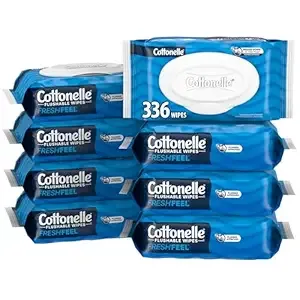
Parents just need certain baby products whatever the season or trends. Diapers and wipes lead the pack as items parents buy again and again. Google Trends data shows people search for diapers consistently throughout the year.
Baby clothing makes another profitable category. Babies grow faster than you'd expect, which means parents buy new sizes every few months. Baby bottles are must-have items for feeding and show up in many top product lists.
Other reliable sellers include:
These products sell well year-round and make great inventory choices for new dropshipping stores.
Some specialty baby items offer better profits and sell well too. Baby monitors stand out as products parents gladly spend more on to ensure their baby's safety. Modern versions come with video features that command higher prices.
Baby safety products make another profitable category. These items help parents create child-proof spaces at home. Car seat mirrors let parents watch their baby while driving, which solves a real problem.
Eco-friendly baby products give dropshippers a chance to stand out. Parents today want chemical-free and safe baby care items. Take reusable cloth diapers - they're perfect for targeting environmentally conscious parents.
Smart baby devices show strong profit potential. Tech-savvy parents love gadgets that make their lives easier.
Baby products sell year-round, but some items peak in certain seasons. Summer brings high demand for baby sun hats with UV protection. Stroller fans become popular when temperatures rise.
Baby swimwear and water toys follow similar patterns. Smart dropshippers stock these seasonal items alongside everyday essentials to boost sales throughout the year.
Holiday-themed clothes and milestone photo props create special occasion opportunities. Parents love these items as gifts and often pay premium prices.
Some baby products don't work well with dropshipping. Nursery furniture like cribs and high chairs cost too much to ship and take up lots of space. They might also get damaged during shipping, which creates safety risks.
Stay away from baby medical supplies because of strict FDA rules. Products with small parts need careful attention to safety warnings and certifications.
Food and drinks create more problems than they're worth. Baby formula and food items face tough regulations that make safe and legal dropshipping difficult.
Baby skin products need extra care. One Reddit user puts it well: "I wouldn't dropship any skin products, clothes, baby items, candles or electronics". The liability risks are just too high.
Success in dropshipping comes from focusing on products that sell consistently, ship affordably, and have fewer regulations. Parents expect the best for their babies, so safety standards should always come first.
Your success in dropshipping baby products depends on profit margins. New entrepreneurs need to know the financial potential of different product categories to make smart inventory choices and set the right prices.
Baby clothing gives you some of the best profit margins in dropshipping. The numbers show profit margins for baby clothes range from 60-66%. These high margins make clothing a great starting point if you want to dropship baby products.
Accessories like pacifier clips give you healthy profit margins of 50-60%. These items ship cheaply and parents love their practicality. Baby sun hats can reach profit margins of 50%, especially during peak seasons.
Parents pay more for personalized baby items, which leads to higher margins. The value they place on unique products lets you mark up prices well above standard items. Organic baby clothing stands out because eco-conscious parents will pay extra for chemical-free, sustainable materials.
Baby safety products like door locks and cabinet latches bring in profit margins between 60-65%. These products cost USD3-USD4 and sell for USD10-USD12, giving you a good balance of affordability and profit.
Feeding products sell steadily with different profit margins. Organic baby food brings in 30% to 50% profit, while baby bottles can reach 40-60%. Parents value the convenience of baby feeding sets with plates, bowls, spoons, and sippy cups, supporting 50% margins.
Basic care items like baby wipes sell consistently with 30-50% profit margins. Parents need to buy these regularly, which helps keep customers coming back. Health items like thermometers and monitoring devices earn higher margins of 50-60% because parents want quality products for their baby's health.
Diaper bags can bring you profits close to 60%. Parents need them, and they like fashionable designs that don't scream "baby bag," so you can charge premium prices.
Start by deciding your target profit margin to calculate the best price. A 30% profit margin uses this formula: Selling Price = Cost ÷ (1 - 0.30). A USD15 product would cost USD21.43, usually rounded to USD21.99.
These pricing strategies work well in baby product dropshipping:
Research shows dropshippers who sell premium baby products can reach 50-70% margins by focusing on quality, safety, and unique benefits. Parents always put these factors first when buying for their children.
Your long-term success needs competitive pricing more than quick profits. One industry expert puts it well: "Without a well-researched dropshipping pricing strategy, you could be selling at a loss on all items. Low prices cause you to lose profits, though higher ones may lead to fewer sales".
Psychological pricing tricks like ending prices with .99 or .97 can make products seem cheaper, even with tiny price differences.
Your success with dropshipping baby products largely depends on finding reliable suppliers. Product quality directly affects customer happiness, repeat sales, and your store's reputation.
Top Dropshipping Platforms for Baby Items
Diffshop is a standout option for baby product dropshipping. It offers a wide selection of high-demand baby items, competitive pricing, and an easy-to-use interface tailored for seamless store integration. Their global fulfillment network helps ensure fast delivery, and their platform includes tools to help you find winning products. Explore more at diffshop.com.
Several trusted platforms help connect dropshippers with quality baby product suppliers. Spocket stands above others by working with US and EU suppliers who ship fast—usually within 2–5 days. The platform lets you browse and add baby items to your online store effortlessly.
AliExpress remains a favorite choice thanks to its huge selection of baby products, though delivery takes longer. Their Dropshipping Center helps you spot trending baby items that could sell well.
Walmart's online marketplace gives you next-day delivery options and matches prices, which helps you stay competitive. CJDropshipping connects you to thousands of Chinese baby product suppliers while running warehouses worldwide to speed up shipping.
Wayfair really shines with baby furniture, shipping items within two days on orders above USD49 through their MYWAY program. Costco ships free, runs local warehouses, and lets you return items within 90 days—making them ideal partners for premium baby products.
Strong supplier partnerships create lasting benefits for your baby products business. Regular chats with suppliers build trust, even if you just talk about recent deliveries. These conversations keep communication channels open and relationships healthy.
Paying on time matters most in supplier relationships. Industry experts agree: "Never make late payments. Businesses hate it when punctuality is ignored". If you can't avoid delays, let them know quickly to keep their trust.
Legal contracts with your suppliers make good business sense. Your agreements should spell out responsibilities, quality standards, safety liability, and partnership length. Clear terms protect everyone while setting performance goals.
Suppliers of specialty items like organic baby clothing might offer private labeling options. You could add your logo to products and strengthen your store's brand identity.
Steady orders and reliable business help you become a preferred customer. This status often brings better prices, faster fulfillment, and special product access—giving you an edge in the competitive baby products market.
Safety and legal compliance is a vital aspect of dropshipping baby products. Your business reputation could face serious damage from product recalls and lawsuits if you don't follow regulations.
Baby products face strict regulatory oversight in the United States. The Consumer Product Safety Improvement Act (CPSIA) sets complete requirements for all children's products and adds rules for durable infant and toddler items. These regulations exist because 385,000 babies are born worldwide daily, which creates a huge market with safety concerns.
Different regions set their own requirements and safety standards. The European Union enforces strict consumer protection and VAT laws that dropshipping businesses must follow.
Key safety regulations include:
Dropshippers should stay away from high-risk product categories. One industry expert says: "At the very least, avoid 'high risk' dropshipping products such as electronics, children's products, cosmetics, medical devices, and food contact materials". Many dropshippers still enter the baby products market after taking proper precautions.
Product liability poses a major legal risk when selling baby items. Children can bring lawsuits until their 18th birthday plus two or three additional years. Adults usually get only two to three years after an injury to file a lawsuit.
Some baby products carry higher liability risks. The Consumer Product Safety Commission banned drop-side cribs completely in 2011 after they caused infant injuries. Products that might contribute to Sudden Infant Death Syndrome (SIDS) or contain small choking hazards need special attention.
Dropshippers should verify that every product meets safety standards and comes with appropriate warnings. Requesting safety documentation from suppliers helps, but as one source points out: "It's highly unlikely that your dropshipping supplier can provide compliance documents for the EU and the US".
Children's products need third-party testing by CPSC-accepted laboratories. Manufacturers or importers must issue a Children's Product Certificate (CPC) after successful testing to show compliance.
The CPC must have specific information:
The core team must keep all records related to testing and certification for at least five years. Small batch manufacturers might qualify for certain testing exemptions but still must certify their products meet children's product safety rules.
Voluntary certifications boost consumer confidence. The Juvenile Products Manufacturers Association (JPMA) Certification Seal shows a product meets the highest standards for safety, performance, and functionality. Baby textiles benefit from certifications like OEKO-TEX and GOTS that verify products are free from harmful substances.
Marketing is the backbone of any baby products dropshipping business. Your target audience won't find even the best products without proper promotion.
New parents are the core customers for baby product stores. Most fall between 22-40 years old and share common traits - they're sleep-deprived, budget-conscious, and they look for products that make parenting easier. The amount of information about baby products can overwhelm first-time parents, so your marketing needs a clear focus to stand out.
Safety, convenience, and affordability top the list when parents shop. They go online to find solutions for immediate challenges like sleepless nights or diaper issues. A leading industry expert puts it this way: "New moms or parents with multiple kids have one biggest problem: to buy only real, trustworthy, eco-friendly baby products".
Parents scroll social platforms to get inspiration and connect with others. Each platform serves a unique purpose:
Your posts need variety. Mix product demos with behind-the-scenes content, parent testimonials, and cute baby pictures (with permission). Studies show that brightly lit images boost detail page views by 14%. They also increase purchase rates and return on ad spend by 12% compared to darker photos.
Baby products need emotional connection to make your store memorable. Parents want reassurance about their purchases. Parenting influencers add credibility since pregnant parents often turn to fellow parents on social media for guidance.
Your store becomes a helpful resource through educational content. This approach improves SEO and keeps visitors engaged longer. New parents need advice as they navigate parenthood.
Blog posts should tackle specific challenges: "8 Must-Haves for Your Diaper Bag" or "How to Choose a Comfort Diaper". The baby products market goes beyond selling items—it builds connections through unique content parents can't find elsewhere.
Email marketing works wonders for baby product stores. A solid email list lets you share valuable content, promotions, and updates with interested parents. Virtual workshops or video tutorials about baby care topics help build trust and authority, beyond traditional content.
Every successful baby product dropshipping business has a story of smart decisions and putting customers first. Let's get into two real-life examples that show how entrepreneurs built profitable businesses in this growing market.
Andreas and Alexander changed their struggling online store into a thriving business by making smart moves. They added a spin-the-wheel app that collected customer email addresses for discounts—a simple change that made a huge difference. Their daily sales quickly jumped from 1-2 products to 10-15 products per day.
Their daily revenue shot up from USD 30.00 to USD 350.00-400.00, and they ended up making an impressive USD 144,110.00 in just three and a half months.
What made them special? They put great customer service first by offering 24/7 support through phone and email. They managed to keep their social media presence active and responded quickly to customer questions.
Regular talks with suppliers helped Andreas and Alexander spot market trends and sometimes create custom products together. They believed that "The closer you work with your suppliers, the more likely you are to offer products that truly appeal to your customers".
They beat Amazon's competition by creating unique product bundles that paired bestsellers with matching accessories at better prices. Their brand grew stronger when they started using photos of happy customers with their products. This personal touch kept buyers coming back for more.
Parents' growing interest in chemical-free and safe baby care products has opened great opportunities for dropshippers in this niche. With about 385,000 babies born worldwide each day, parents look harder than ever for the safest options for their children.
Parents worry more about health risks from synthetic products. This has led to high demand for:
Organic baby clothing has become particularly popular because these materials are gentle on baby skin and eco-friendly. This appeals to environmentally aware parents.
Safety messages work well for retailers in this market. Baby-proofing kits have become more popular as parents focus more on safety. These complete solutions—with outlet covers, cabinet locks, and corner guards—help parents create safer spaces quickly.
Both examples show what makes a business work: finding specific customer needs, delivering great service, and building strong supplier relationships. Yes, it is possible to run a profitable dropshipping baby products business with the right approach.
Baby product dropshipping continues to show strong potential, with the market projected to reach USD419 billion by 2032. High-demand categories like baby clothing, safety gear, and eco-friendly products offer strong profit margins—often between 20% and 60%.
Successful dropshippers focus on evergreen products that parents always need, while smartly adding premium items to increase revenue. Starting small allows you to test different products and marketing angles without heavy risk. Many top-performing stores began with a niche like organic baby wear or safety essentials, then expanded based on demand.
Trust and safety are key. Work only with reliable suppliers, meet all required certifications, and maintain accurate records. A social-first marketing strategy, especially on platforms like Instagram and Pinterest, remains one of the best ways to connect with modern parents.
If you're ready to explore this space, Diffshop makes it easy to find trending products, connect with trustworthy suppliers, and scale confidently. With low startup costs and consistent year-round demand, baby product dropshipping is a smart move for 2025 and beyond.
Q1. Is dropshipping baby products profitable? Dropshipping baby products can be profitable, with the market projected to reach USD419 billion by 2032. Profit margins typically range from 20% to 60%, depending on the product type. However, success depends on factors like product selection, marketing strategies, and differentiation from competitors.
Q2. What are the most profitable baby products to dropship? Some of the most profitable baby products for dropshipping include essential items with steady demand like diapers, baby clothing, and bottles. High-margin specialty products such as baby monitors, eco-friendly items, and tech-based parenting solutions also offer good profit potential.
Q3. How do I find reliable suppliers for baby products?
To find trustworthy suppliers, explore platforms like Diffshop, Spocket, AliExpress, and Walmart’s online marketplace. Diffshop stands out by helping you discover trending products and vetted suppliers with ease. When evaluating suppliers, consider their reputation, product quality, shipping reliability, and safety certifications. Always request samples before listing products in your store to ensure they meet your standards and customer expectations.
Q4. What legal considerations should I be aware of when dropshipping baby products? When dropshipping baby products, be aware of safety regulations like the Consumer Product Safety Improvement Act (CPSIA). Ensure products meet safety standards, include appropriate warnings, and have necessary certifications. Consider getting liability insurance and avoid high-risk product categories to minimize legal risks.
Q5. How can I market my baby product dropshipping store effectively? Effective marketing strategies for baby product stores include understanding your target audience (primarily new parents), utilizing social media platforms popular among parents like Instagram and Pinterest, creating valuable content related to parenting, and leveraging email marketing to build relationships with customers.