
Blog
Featured Content
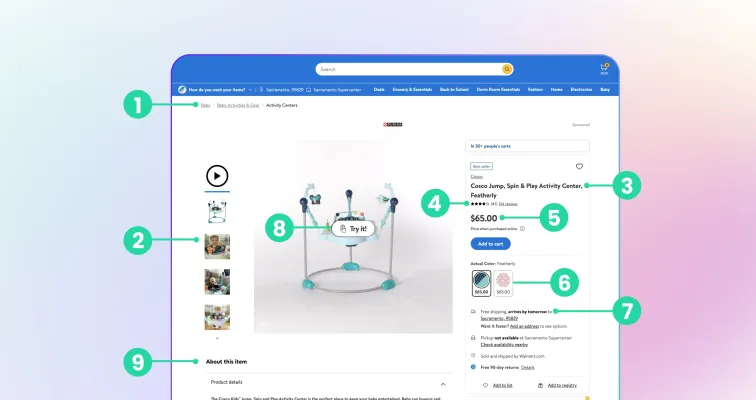
How to Optimize Your Product Listings Based on Competitor Insights
In today’s saturated e-commerce landscape, merely listing products online isn’t enough. To stand out, you need to optimize product listings by aligning them with what works for your competitors. By analyzing their strategies—from keyword usage to visual storytelling—you can uncover gaps in your own approach and refine your listings for better visibility and conversions. This guide will walk you through actionable steps to leverage competitor insights ethically, with tools like Diffshop streamlining the research process.
Why Competitor Insights Matter for Product Listings
Competitors are a treasure trove of validated strategies. Their successful product listings reveal:
- High-Intent Keywords: Terms that drive traffic and conversions.
- Engagement Tactics: How they use visuals, descriptions, and reviews to build trust.
- Pricing and Promotions: Discounts or bundles that resonate with buyers.
For example, a competitor’s listing for “organic face serums” might rank highly due to specific keywords like “vegan skincare” or “cruelty-free formula”—insights you can replicate.
Step 1: Identify Top Competitors
Start by pinpointing competitors dominating your niche. Use tools like Diffshop’s Store Analytics to:
- Filter stores by traffic growth (>50% MoM) or social engagement.
- Analyze product categories with the highest sales velocity.
Case Study: A home decor brand used Diffshop to discover a competitor’s best-selling “minimalist wall art” line. By reverse-engineering the competitor’s keywords and imagery, they increased their own sales by 35%.
Step 2: Reverse-Engineer Their Keyword Strategy
Analyze Titles and Descriptions
Winning product listings prioritize keywords that align with search algorithms and buyer intent. Use Diffshop’s Keyword Tracker to:
- Extract competitors’ top-performing keywords from titles, bullet points, and backend metadata.
- Identify gaps in your own listings (e.g., missing long-tail terms like “gifts for coffee lovers under $30”).
Pro Tip: Tools like Diffshop aggregate keyword data across platforms (Amazon, Shopify, Google), saving hours of manual research.
Step 3: Audit Competitors’ Visual and Copy Strategies
High-Quality Images and Videos
Top listings use visuals that:
- Show products in use (e.g., a backpack worn during hiking).
- Include zoomable 360° views or lifestyle shots.
Example: A competitor’s TikTok video demoing a “self-heating coffee mug” went viral. Using Diffshop’s Ad Research, you can identify similar creatives and adapt them for your listings.
Compelling Descriptions
Analyze how competitors:
- Highlight USPs (e.g., “sustainably sourced materials”).
- Structure bullet points for readability.
- Address FAQs (e.g., “How to clean reusable straws”).
Case Study: A skincare brand revamped its descriptions after noticing competitors emphasizing “clinical results” and “dermatologist-approved” claims, leading to a 25% boost in conversions.
Step 4: Leverage Social Proof and Reviews
Competitors with high ratings often:
- Showcase reviews prominently (e.g., star ratings above the fold).
- Use customer photos/videos in listings.
Actionable Insight: If a competitor’s “eco-friendly yoga mat” has 500+ reviews mentioning “non-slip grip,” ensure your listing addresses similar pain points.
Step 5: Optimize Pricing and Promotions
Track competitors’ pricing strategies, such as:
- Limited-time discounts (e.g., “20% off first purchase”).
- Bundling (e.g., “Buy 2, Get 1 Free”).
Tool Tip: Diffshop’s Price Monitoring feature alerts you to price drops or flash sales, helping you stay competitive without undercutting margins.
Step 6: Test and Iterate
Use A/B testing to refine listings based on competitor insights:
- Test different keyword placements.
- Compare image styles (lifestyle vs. product-only).
Example: A jewelry brand tested two versions of a listing—one with a competitor-inspired “gift-ready packaging” tagline and another without. The former saw a 40% higher CTR.
Ethical Considerations
While competitor analysis is crucial, avoid:
- Copying content verbatim.
- Scraping private data.
Tools like Diffshop simplify ethical research by providing aggregated, anonymized insights compliant with GDPR and CCPA.
Case Study: How Diffshop Transformed a Pet Brand’s Listings
A pet accessory brand struggled with low visibility for its “eco-friendly dog collars.” Using Diffshop, they:
- Identified competitors ranking for “biodegradable pet gear.”
- Adopted keywords like “organic cotton” and “adjustable design.”
- Added customer review highlights and demo videos.
Result: Page views increased by 120%, and sales doubled in three months.
Conclusion
To optimize product listings, turn competitor insights into actionable strategies. Tools like Diffshop empower you to uncover high-performing keywords, visuals, and promotions—without guesswork. Remember, the goal isn’t to copy but to adapt proven tactics to your unique brand voice.

How to Spy on Competitor Ads Without Violating Privacy: Ethical Insights
In the hyper-competitive world of digital marketing, understanding your competitors’ strategies is essential—but so is respecting user privacy. While many businesses rely on aggressive tactics to spy on competitor ads, ethical approaches exist that avoid invasive data collection. This guide explores seven privacy-compliant methods to analyze competitors’ campaigns, including how tools like Diffshop can streamline research without compromising ethics.
1. Leverage Public Ad Libraries
Meta Ads Library
Meta’s Ads Library is a goldmine for viewing active Facebook and Instagram ads. Simply search for a competitor’s page to see:
- Ad creatives (images, videos, carousels)
- Copy variations
- Campaign duration (start/end dates)
- Platform placements (Stories, Feed, Reels)
Ethical Tip: Avoid scraping user data—stick to analyzing public-facing ads.
TikTok Creative Center
TikTok’s ad library reveals trending formats and viral hooks. For example, a competitor’s ad for eco-friendly water bottles might use “duet” challenges to drive engagement.
Example: A skincare brand used TikTok’s library to identify competitors’ UGC-style ads and replicated their approach without targeting individual users.
2. Analyze Competitors’ Retargeting Strategies
Visiting a competitor’s website can trigger retargeting ads. Track these ads across platforms to reverse-engineer their funnel:
- Browse their site (e.g., add items to cart but don’t purchase).
- Monitor follow-up ads on Google, Facebook, or Instagram.
What to Look For:
- Ad sequencing (discounts, urgency messaging)
- Landing page optimizations (e.g., post-purchase upsells)
Ethical Alternative: Use Diffshop’s Ad Research tool to anonymously track competitors’ retargeting creatives without triggering cookies or personal data collection.
3. Reverse-Engineer SEO-Driven Ads
Google Ads Transparency Center
Google’s ad library shows text and video ads running on Search and YouTube. Search for competitors’ branded terms (e.g., “Nike running shoes”) to uncover:
- Ad copy angles (e.g., “30-day durability guarantee”)
- Keyword bids (branded vs. non-branded terms)
Case Study: A travel agency discovered competitors were bidding on “all-inclusive resorts under $1,000” and adjusted their own bids to avoid overspending.
SEO Tools with Caution
Platforms like Semrush or Ahrefs reveal competitors’ paid keywords and estimated budgets. However, ensure your use complies with terms of service.
Ethical Tip: Use Diffshop’s Keyword Tracker to analyze competitors’ top-performing keywords without accessing sensitive user data.
4. Monitor Social Media for Organic Trends
Competitors often test ad concepts organically before scaling. Track their social posts for:
- High-engagement content (videos with >5% CTR)
- Hashtag campaigns (e.g., #SustainableFashion)
Example: A fitness brand noticed a competitor’s Instagram Reels about “10-minute home workouts” went viral and created similar ads without copying creatives directly.
5. Use Aggregated Competitor Intelligence Tools
Tools like Diffshop aggregate anonymized data from millions of ads, providing insights like:
- Top-performing creatives across industries
- Emerging ad formats (e.g., TikTok Spark Ads)
- Seasonal trends (e.g., holiday discount patterns)
Why It’s Ethical: Diffshop anonymizes data sources and avoids tracking individual users, aligning with GDPR and CCPA guidelines.
6. Attend Industry Webinars & Conferences
Competitors often reveal strategy tidbits in public talks. For example, a webinar on “2024 E-Commerce Trends” might hint at their upcoming ad focus areas.
Pro Tip: Use Diffshop’s Trend Alerts to cross-reference these insights with real-time ad performance data.
7. Collaborate with Ethical Ad Intelligence Platforms
Platforms like Moat or Pathmatics offer aggregated insights into competitors’ ad spend and placements. Pair this with Diffshop’s Store Analytics to:
- Identify which products competitors promote most.
- Benchmark your ad spend against industry averages.
Ethical Best Practices
- Avoid Personal Data: Never use tools that track individual users or scrape private info.
- Focus on Aggregated Insights: Prioritize platforms like Diffshop that anonymize data.
- Respect Intellectual Property: Draw inspiration from ads without replicating them verbatim.
Case Study: How Diffshop Enabled Ethical Competitor Analysis
A DTC furniture brand wanted to spy on competitor ads for seasonal campaigns but needed a privacy-compliant solution. Using Diffshop, they:
- Identified competitors’ top-performing Facebook ad formats (e.g., 360° product videos).
- Analyzed Google Search ad copy for “mid-century modern desks.”
- Discovered TikTok trends like “home office makeovers” driving 3x engagement.
Result: The brand increased ROAS by 40% without using invasive tracking.
Conclusion
Spying on competitor ads doesn’t require compromising ethics. By leveraging public libraries, aggregated product research tools like Diffshop, and organic social monitoring, businesses can stay competitive while respecting privacy. The key is to focus on what works—not who it’s targeting.

How to Identify Winning Shopify Stores to Replicate Success
The Shopify ecosystem hosts over 4.8 million stores, but only a small percentage consistently rank as winning Shopify stores. These top performers share common traits: data-driven product selection, optimized marketing funnels, and agile adaptation to trends. This guide will teach you how to reverse-engineer their strategies—and subtly leverage tools like Diffshop to streamline your research.
1. What Defines a “Winning” Shopify Store?
Winning Shopify stores exhibit three key characteristics:
- Sustained Revenue Growth: 20%+ month-over-month sales increases.
- Low Customer Acquisition Costs (CAC): <$15 per conversion.
- High Retention Rates: 30%+ repeat buyers.
Example: A home decor store averaging $250K/month revenue uses Diffshop’s Product Research tool to identify trending items like “modular planters” (1,200+ units sold weekly) and aligns ads to seasonal demand spikes.
2. Step-by-Step Process to Find Winning Stores
Step 1: Identify High-Traffic Stores
Use platforms like Diffshop to filter stores by:
- Traffic Growth: >50% MoM increase.
- Social Engagement: >1K shares/product.
- Geographic Dominance: Top-performing regions (e.g., U.S., Germany).
Case Study: A pet store ranking for “organic dog treats” in Diffshop’s Keyword Research tool achieved 80% traffic growth by targeting low-competition keywords.
Step 2: Analyze Product-Market Fit
Winning Shopify stores solve specific pain points. For example:
- A skincare brand uses Diffshop’s Ad Research to find TikTok ads with >5% CTR for “acne-safe moisturizers.”
- A fitness store capitalizes on “compact home gyms” (1,500+ units sold/month via Diffshop’s Product Tracker).
3. Reverse-Engineering Marketing Tactics
Tactic 1: Ad Strategy Breakdown
Winning Shopify stores often reuse high-performing ad creatives. Use Diffshop’s Ad Spy to:
- Filter TikTok/Facebook ads by engagement (>10K likes).
- Track ad lifespans (e.g., 90% of winning ads run for 14+ days).
Example: A jewelry store replicated a competitor’s UGC-style ad (found via Diffshop) and reduced CAC by 40%.
Tactic 2: SEO & Content Gaps
Top stores dominate niche keywords. Diffshop’s Keyword Tool reveals:
- “Vegan leather handbags”: 2.4K monthly searches, low competition.
- “Ergonomic office chairs for short people”: 1.1K searches, untapped.
4. Case Study: Replicating a $1M+/Year Store
Store Profile: Eco-friendly kitchenware brand
Success Factors:
- Product Selection: Identified “reusable silicone lids” (3K+ sales/month via Diffshop’s Product Research).
- Ad Strategy: Scaled TikTok ads with “kitchen hack” demos (found in Diffshop’s Ad Library).
- SEO: Ranked #1 for “zero-waste food storage” (1.8K searches/month).
Result: A competitor replicated 70% of their strategy using Diffshop and achieved $650K in Year 1.
5. Tools to Accelerate Your Research
While manual analysis works, Diffshop streamlines the process with:
- Store Analytics: Traffic sources, top products, and keyword rankings for 9M+ Shopify stores.
- Trend Alerts: Real-time updates on viral products (e.g., “magnetic eyelashes” spiked 400% in Q3).
- Ad Spy: Historical performance data for 60M+ social ads.
Conclusion
Identifying winning Shopify stores requires a mix of strategic analysis and the right tools. By leveraging platforms like Diffshop to decode traffic patterns, product trends, and ad strategies, you can replicate success without reinventing the wheel.

How to Leverage Seasonal Trends to Maximize E-commerce Sales
Your online store's success largely depends on how well you understand customer shopping patterns. Throughout the year, ecommerce seasonality influences customer buying habits - from holiday shopping sprees to back-to-school shopping rushes.
These seasonal patterns create natural peaks in sales at different times. The holiday shopping season between October and December offers the biggest chance to boost your sales. Summer vacations and Valentine's Day also spark increased purchases in specific product categories.
We'll help you spot these valuable ecommerce trends and transform them into sales. This piece covers everything you should know about inventory management, marketing strategies, and website optimization that matches seasonal demands. Let's delve into practical steps that will keep your online store thriving all year long.
What Are Seasonal Trends in E-commerce
Ecommerce seasonality sets the pace for online sales throughout the year. Businesses can predict and plan for these recurring patterns that affect consumer behavior, sales volumes, and revenue.
Common seasonal patterns
The retail calendar follows specific patterns linked to holidays, weather changes, and cultural events. Sales peak from October through December, during the holiday shopping season. The late summer brings a back-to-school rush, and winter clothing sales spike when temperatures drop.
Weather plays a big role in what people buy. Winter months boost sales of warm clothing and heating devices, while summer drives people to buy swimwear and outdoor gear. People's spending habits also change during tax return season and when kids head back to school.
Major shopping events that shape seasonal patterns include:
- Black Friday and Cyber Monday now blend into longer online shopping periods
- Valentine's Day gives jewelry and gift sectors a boost
- Summer vacation brings peak sales for travel items and outdoor gear
- Back-to-school time creates a surge in supplies, clothing, and electronics
Cultural celebrations add unique seasonal trends. To cite an instance, Diwali boosts electronics and home decor sales in India. Lunar New Year celebrations in Asian countries create big spikes in gift purchases.
Impact on sales and revenue
Seasonality's effect on ecommerce performance runs deep. Almost 40% of online sales happen in the final quarter - October, November, and December. This revenue concentration makes seasonal pattern knowledge vital for business success.
Peak season shoppers show fascinating behaviors. Early buyers become super loyal, with 10 times higher return rates than regular customers. On top of that, customers who shop both online and in-store spend much more during holidays, averaging $1,811 compared to $810 for in-store-only shoppers.
Recent shopping behavior changes have altered seasonal trends. Online retail has grown 131% compared to pre-pandemic levels. This growth comes from people buying more often rather than spending more per purchase, which shows they're more comfortable with digital shopping.
Weather affects buying decisions in multiple ways. Research shows wet or cold weather can increase online sales by up to 12%, especially for home goods, furniture, and clothing. Sunlight exposure changes consumer behavior and leads to more impulse buys.
The British Retail Consortium ranks weather as the second biggest factor in consumer spending, just behind the national economy. This goes beyond what people buy - it changes how much they spend and their shopping methods.
Mass merchandisers have adapted well to these seasonal changes and showed the biggest spend share increase with 3-point growth. Shoppers now concentrate their seasonal purchases with fewer retailers, which makes timing and inventory management vital for businesses.
These patterns help businesses prepare for busy and quiet times. February and March typically see slower sales as people recover from holiday spending. These quieter months give businesses a great way to get their inventory planning and marketing strategies right.
Using Data to Spot Seasonal Patterns
Data analysis is the life-blood of successful seasonal planning in ecommerce. Companies spot opportunities before their competitors by exploring historical patterns and immediate metrics.
Sales data analysis
Monthly and quarterly sales tracking shows clear patterns in consumer spending. Sales figures and revenue data highlight peak seasons that help businesses learn when visitors become most active. Companies can anticipate upcoming sales peaks through seasonal indexes and predictive models.
Past seasonal data reveals valuable anomalies. To cite an instance, businesses notice consistent dips in sales right before major shopping events. This knowledge helps them refine marketing strategies that counter these predictable slowdowns.
Spring and summer create increased needs for outdoor and recreational items, among gardening tools and sports equipment. Back-to-school shopping begins in fall, which increases sales of supplies, clothing, and electronics. Holiday shopping dominates consumer spending in winter, making it the peak season for ecommerce activity.
Customer behavior tracking
Deep data analysis helps understand customer priorities. Key metrics include:
- Website traffic fluctuations
- Conversion rate changes across seasons
- Product category priorities
- Price sensitivity during specific periods
Marketing precision improves with customer segmentation based on geographical locations. Weather patterns and seasonal effects vary by region and directly affect buying behavior. Shopping experiences improve with weather-triggered emails and location-based notifications.
Immediate data analysis tracks user involvement patterns. Businesses fine-tune marketing messages and adjust promotions quickly to meet consumer expectations. Companies predict future behavior based on economic conditions and social media trends through predictive analytics.
Market research tools
Google Trends emerges as a vital resource for seasonal planning. This platform gives immediate search data that shows changes in consumer interest. The tool monitors rising and falling interest in seasonal product categories, from "gifts for Christmas" to "summer fashion trends".
Other essential market research tools include:
- Statista - Offers data trends across 170 industries and 150 countries
- Attest - Brings digital-era focus groups with rapid-response surveys
- SurveyMonkey - Creates simple or detailed surveys for targeted audience feedback
- Answer the Public - Compiles questions people ask online about products
- BrandMentions - Shows why specific keywords gain traction
CRM systems explain seasonal customer involvement patterns. These tools help understand not just when, but how consumer interest changes throughout the year. Website analytics combined with CRM data reveals deeper patterns in customer behavior.
Automated tools make analysis of large data volumes easier. Quick adaptation to changes in consumer behavior becomes possible and marketing efforts gain precision. Businesses reduce manual errors and make timely, data-informed decisions through automation.
Machine learning algorithms analyze extensive datasets to find patterns that traditional analysis might miss. Future trends become predictable and inventory management improves based on seasonal fluctuations with these advanced tools.
Statistical techniques like seasonal index and decomposition separate seasonal effects from mechanisms of non-seasonal trends. Businesses make informed decisions about future campaigns with this accurate data interpretation approach.
Planning Your Seasonal Calendar
A seasonal calendar is the foundation of successful ecommerce operations. Smart timing and preparation help businesses boost their sales during major shopping events, local celebrations, and cultural festivities.
Major shopping events
Black Friday and Cyber Monday are the biggest dates in retail. These events kick off the holiday shopping season. Retailers report that 20% of their annual sales happen between Black Friday and Christmas.
The holiday season runs from October through December with several key dates:
- Thanksgiving (Late November)
- Black Friday (November 29, 2025)
- Cyber Monday (December 2, 2025)
- Green Monday (Last Monday with 10+ days before Christmas)
- Super Saturday (Final Saturday before Christmas)
Recent data shows 76% of American shoppers buy at least half their gifts online. Customers start looking for holiday deals as early as September, making early preparation vital.
Local seasonal events
Back-to-school shopping creates unique patterns in different regions. The timing varies worldwide:
- Singapore, Australia: January
- Brazil: February
- Japan: March-April
- India: June
- North America and Europe: July-September
Mother's Day shows how local events create regional sales peaks. Countries celebrate this occasion on different dates:
- United Kingdom: March 10
- Spain: May 5
- United States, Australia, Germany: May 12
- France, Poland: May 26
Cultural celebrations
Cultural events shape consumer behavior and sales patterns substantially. Lunar New Year begins February 10, 2025, and drives major shopping in Asian countries. People focus on home decorations, festive meals, and gift exchanges during this 15-day festival.
Religious celebrations bring more sales opportunities:
- Ramadan: March 10 – April 9
- Eid Al Fitr: April 9-10
- Diwali: November 1
Singles' Day on November 11 has become a major shopping event in Singapore, United Arab Emirates, Saudi Arabia, and Egypt. What started as a celebration of single people is now the world's biggest online shopping event.
Boxing Day (December 26) remains a big post-Christmas shopping day in the United Kingdom and Australia. This traditional holiday has grown from charitable roots into a major retail event with big discounts and promotions.
Children's Day celebrations vary by country:
- Turkey: April 23
- Japan: May 5
- Germany: September 20
- India: November 14
Father's Day dates differ worldwide:
- Italy, Spain: March 19
- Germany: May 9
- United States, Canada: June 16
- Australia: September 1
Online spending keeps growing. The Thanksgiving-to-Cyber Monday weekend sales reached USD 41.10 billion. This move toward digital shopping has led retailers to extend their seasonal promotions with early access and longer sale periods to attract customers.
Smart Inventory Management
Seasonal ecommerce success depends on accurate inventory control. Businesses can keep optimal inventory levels during peak seasons by smart stock management and storage solutions.
Stock level planning
Smart inventory management starts with accurate demand forecasting. Looking at historical sales data helps businesses spot patterns and trends in seasonal demand. This knowledge determines the right inventory levels needed without overstocking.
Looking back at past peak seasons shows valuable insights about:
- Daily product purchase volumes
- Leftover inventory after season ends
- How customers buy across different channels
Watching inventory levels in real-time helps maintain optimal stock. Warehouse managers can spot these issues early through continuous monitoring:
- Too much stock
- Stock shortages
- Supply chain problems
The supply chain grows stronger when businesses share seasonal forecasts with suppliers. This helps suppliers get ready for high-volume periods. Then businesses can keep steady inventory flowing throughout peak seasons.
Good demand forecasting strikes the right balance between enough stock and avoiding excess. This balance saves on storage costs because:
- Fast-selling products stay near customers
- Slow-moving items go to upstream warehouses
- Smart placement cuts delivery costs
Seeing inventory levels in real-time offers several benefits:
- Better product availability
- Higher revenue potential
- Smarter decisions
Storage solutions
Smart storage strategies cut costs while boosting efficiency. Peak seasons often bring warehouse space challenges as it becomes scarce and expensive.
Warehouse operations run smoother with automated systems through:
- AI that optimizes jobs
- Better picking routes
- Automated pick and pack
Operations run better when employees learn multiple roles and repetitive tasks become automated. Extra staff helps handle busy periods effectively.
Good supplier relationships make storage management work better. Clear communication with suppliers leads to:
- Better production schedules
- Understanding delivery times
- Quick problem spotting
Planning ahead with suppliers reduces problems with inventory levels. This preparation keeps stock flowing even when unexpected issues arise.
Smart management cuts costs from holding too much stock. Matching inventory to actual demand helps businesses:
- Free up money for growth
- Keep healthy cash flow
- Avoid unnecessary price cuts
Storage costs usually run between 12% to 20% of ecommerce revenues. On-demand warehousing helps businesses:
- Adjust space as needed
- Pay for used space only
- Keep steady yearly rates
Modern warehouse systems come with useful features:
- Live stock updates
- Automatic reorder alerts
- Sales channel integration
These tools make inventory processes simpler and match stock levels to demand. Good warehouse practices help products stay available and orders go out faster.
Regular warehouse checks find possible problems before peak season starts. This helps keep operations smooth when demand spikes.
Seasonal Marketing Tactics
Marketing tactics move with the seasons. A mix of email, social media, PPC advertising, and content marketing leads to successful seasonal campaigns.
Email campaigns
Seasonal email marketing gets exceptional engagement rates. The "Holidays & Seasonal" industry achieves a 35.9% open rate and 1.5% click rate. Businesses can target different customer groups through segmentation:
- Year-round shoppers vs seasonal buyers
- Price-sensitive customers
- Previous holiday purchasers
Messages need to be tailored during nostalgic periods of family time. Customer groups need targeted communication through email and messaging apps. Research from Facebook shows 63% of people from all generations prefer messaging over calls or emails when talking to businesses.
Social media strategy
Social platforms let businesses reach customers at peak shopping times. Nearly half of consumers buy products monthly based on what influencers post. Winning social media tactics include:
- Running festive contests and giveaways
- Sharing behind-the-scenes holiday preparations
- Showcasing authentic user-generated content
- Using AI-powered customer service
Social commerce keeps growing, with U.S. sales reaching $64.8 billion in 2023. Social shoppers grew from 97 million to 107 million between 2021-2023. Social commerce could reach $150 billion in Gross Merchandise Value by 2028.
PPC advertising
Seasonal PPC campaigns take advantage of increased search activity during busy shopping periods. Competition for ad space rises during holidays, so businesses must adapt their strategies. The most important elements are:
Timing optimization:
- Early campaign starts build brand awareness
- Ad scheduling during peak shopping hours
- Bigger budgets for key dates
Ad customization becomes vital as competition grows. Businesses should refresh their ads with festive elements and create emotional connections through holiday-focused copy. Limited-time offers create urgency when consumers look for deals during holidays.
Content marketing
Content strategies should match seasonal shopping behaviors. Mobile purchases make up 40.4% of ecommerce sales, so mobile-optimized content is a must. Good seasonal content has:
Gift guides that highlight priority products Seasonal landing pages with festive themes Mobile-friendly product descriptions Holiday-specific keywords and messages
Breaking down audiences remains vital to content success. Google's Quality Score rates ad relevance and affects cost-per-click and ad placement. Smart content planning helps maintain high Quality Scores throughout seasonal campaigns.
Weather patterns affect how well content works. Studies reveal online sales jump by 12% in wet or cold weather. The British Retail Consortium ranks weather second only to the national economy in influencing consumer spending.
Automated tools make campaign management easier across channels. These systems help businesses:
- Monitor performance metrics
- Adjust budgets based on results
- Optimize ad placement
- Track conversion rates
Bounce rates need close attention during seasonal campaigns. High bounce rates might show a mismatch between ad messages and landing pages. Regular checks help keep marketing channels consistent.
Price Planning for Peak Seasons
Smart pricing strategies help businesses thrive in peak shopping seasons. Your store can attract more customers through strategic price adjustments and bundle offers.
Discount strategies
The right timing and value-driven offers boost seasonal sales naturally. Research shows 64% of customers wait patiently for prices to drop before buying. Businesses can modify their prices based on market changes, competitor pricing, and customer patterns.
Shoppers who plan ahead love early bird discounts. These loyal customers buy 10 times more than regular customers. Amazon proved this by launching holiday promotions in early October, which led to 4% higher spending than the previous year.
Modern pricing tools adjust prices automatically based on market conditions. Businesses can now:
- Create rules for price changes
- Keep minimum profit margins
- Adapt quickly to market changes
Limited-time flash sales create excitement and quick purchases. Sales typically jump by 300% during these events. You can maximize results by grouping products into:
- Strategic categories:
- Popular items competing for Buy Box ownership
- Products with established Buy Box control
- Items with limited demand
Clearance events work best with steep discounts on:
- Discontinued products
- Extra stock
- Seasonal items
Bundle pricing
Smart bundles boost order values while saving customers money. Research shows customer-created bundles with 20% discounts perform better than fixed bundles with 30% off.
Valentine's Day shows how bundle pricing works brilliantly. Customers spend more when chocolates, flowers, and greeting cards come together at special rates. Winning bundle strategies include:
- Matching complementary products
- Creating holiday themes
- Letting customers mix and match
Bundle management becomes easier with bulk updates across:
- Product categories
- Brand collections
- Seasonal promotions
Price matching builds trust and wins sales, especially during competitive holidays. Smart tools help by:
- Watching competitor prices
- Making automatic adjustments
- Protecting profit margins
Volume discounts encourage bigger purchases and move inventory faster. Smart pricing helps companies:
- Clear seasonal items quickly
- Increase average sales
- Build stronger customer bonds
Free shipping makes a huge difference in online shopping decisions. Recent studies show it's the top reason people buy online. Smart businesses set minimum purchase amounts to:
- Boost cart values
- Cover shipping costs
- Stay profitable
Loyalty programs reward regular customers and create lasting relationships. These work well with seasonal deals to:
- Keep customers coming back
- Encourage more purchases
- Spread positive reviews
Smart discounts target specific customer groups based on:
- Previous purchases
- Shopping habits
- Seasonal priorities
Modern pricing tools help businesses stay ahead of market changes. Companies can watch trends closely and adjust prices to stay competitive while protecting their profits during peak seasons.
Website Updates for Seasonal Sales
Seasonal updates to your online store's appearance capture customer attention and drive sales. Product descriptions, category layouts, and homepage designs turn seasonal shoppers into buyers.
Homepage changes
The homepage sets the mood for seasonal shopping. Interactive web banners at the top showcase special offers and discounts. Gift icons, snowflakes, and holiday-themed graphics create an inviting atmosphere that doesn't overwhelm visitors.
Your color schemes should match seasonal themes without losing brand identity. Red tones dominate successful winter holiday designs. Visual elements need balance - too many decorative features pull attention away from products.
Key homepage updates include:
- Seasonal hero images representing featured collections
- Holiday-specific navigation menus
- Time-sensitive promotional banners
- Countdown timers for major sales events
Category pages
Category pages are vital touchpoints in the customer's trip. Both vertical and horizontal category menus give shoppers different ways to browse products. This dual navigation approach matches different priorities and makes purchasing faster.
Filtering options help seasonal shoppers find what they want. Advanced systems let customers narrow searches by:
- Price ranges
- Brand priorities
- Size options
- Color choices
- Special features
Smart sorting helps customers discover popular items. Side-by-side product comparisons make decisions easier. Strategic category organization guides visitors toward seasonal bestsellers and promotional items.
Location-based country recognition shows relevant shipping details. This individual-specific experience reduces shopping friction and builds trust with international customers.
Product descriptions
Clear, compelling product descriptions shape buying decisions. A well-laid-out approach delivers better results:
- Answer key questions:
- Who is the product for?
- What are its simple details?
- At the time should it be used?
- Where can it be used?
- Why choose this over alternatives?
- How does it work?
Mixing engaging prose with bullet points creates effective descriptions. A short story about the product pairs well with quick-scan specifications. This format serves both detailed readers and those who scan key points.
Seasonal updates to product content should mirror current themes. A Product Information Management (PIM) system makes these changes simple across marketing platforms. PIM lets businesses quickly update:
- Holiday-themed imagery
- Seasonal descriptions
- Special pricing
- Availability status
Mobile optimization matters as 177.4 million U.S. buyers shop on smartphones. Clear, scannable content with strategic white space reads better on small screens. Quality product images with proper ALT text enhance user experience and search visibility.
Newsletter signups at category page ends keep customers connected. Social sharing buttons spread products across platforms naturally. Prominent customer service information shows steadfast dedication to shopper support.
Better search features, like autocomplete suggesting relevant products, help customers find seasonal items quickly. Regular feature testing and metric monitoring spots areas needing adjustment during peak seasons.
Measuring Seasonal Campaign Success
Successful seasonal campaigns need proper metric tracking and performance data analysis. Businesses can optimize their strategies and get better returns during peak shopping periods through careful monitoring of key indicators.
Key metrics to track
Sales volume remains a basic measure to check if campaigns work. A comparison with previous seasons shows growth patterns and points out areas that need work. Revenue metrics show how well marketing efforts translate into financial returns, which helps assess the campaign's profitability.
Average Order Value (AOV) tells you how much customers spend during seasonal events. Higher AOV shows that upselling and cross-selling strategies work well. Customer Lifetime Value (CLV) looks at the bigger picture by measuring expected revenue from a customer's entire relationship with your business.
Conversion rate tells you how well your website and marketing perform. This number shows what percentage of visitors take desired actions like making purchases. Better conversion rates mean your seasonal messaging works and user experience has improved.
Cart abandonment rates need careful monitoring during busy shopping times. When too many people abandon their carts, you might have checkout problems or your marketing messages might not match your actual offers. Fixing these issues can boost your peak season sales substantially.
Customer acquisition cost (CAC) shows how efficiently you spend your marketing budget. Looking at CAC across channels and campaigns reveals which strategies give the best returns. Seasonal CAC changes can help plan future campaign budgets better.
Customer retention rate shows how well you keep existing customers. High retention during seasonal events points to strong customer loyalty and good re-engagement strategies. Repeat customers tend to spend more money and cost less than finding new ones.
Website traffic metrics give you valuable information about your seasonal marketing success. Looking at traffic sources shows which channels bring the most visitors during peak times. This information helps plan future marketing investments and content strategies.
Social media engagement rates show brand awareness and customer interest levels. Seasonal content's likes, shares, and comments help measure how well campaigns connect with target audiences. Good engagement often leads to more website traffic and sales.
Email marketing metrics like open rates and click-through rates show how well seasonal email campaigns perform. The "Holidays & Seasonal" industry sees average open rates of 35.9% and click rates of 1.5%. These numbers help you measure your campaign's success.
Inventory turnover rate matters most during seasonal peaks. This metric tells you how fast products sell, which helps avoid running out of stock or having too much inventory. Good inventory management directly affects profits and customer satisfaction.
Performance analysis
A complete performance analysis looks at multiple data points to understand campaign success. Compare current numbers with past data and industry standards. This gives context to your results and helps spot trends.
Breaking down data by customer groups reveals useful patterns. Look at metrics for:
- New vs. returning customers
- Different geographic regions
- Various product categories
- Specific marketing channels
This detailed approach uncovers specific patterns in customer behavior and shows how well campaigns work.
Matching sales data with marketing activities shows which strategies succeed. You can see how email campaigns or social media posts affect website traffic and sales, which helps plan future marketing.
Outside factors like weather and local events affect sales patterns. The British Retail Consortium ranks weather second only to the national economy in influencing consumer spending.
Price strategy effectiveness during seasonal campaigns needs evaluation. Different discount types, bundle offers, and promotion timing comparisons help optimize future pricing. This analysis balances customer attraction with profit maintenance.
Marketing channel ROI guides future resource allocation. Calculate each platform's return on ad spend (ROAS) to find cost-effective options. This evidence-based approach ensures smart marketing budget investments.
Customer feedback and reviews during and after seasonal campaigns add quality insights to your numbers. This feedback points out ways to improve products, customer service, and shopping experience.
Post-season analysis helps businesses find their campaign strategy's strengths and weaknesses. Create action plans from lessons learned to fix any problems in future seasonal efforts. This improvement process makes each season better than the last.
Advanced analytics tools and AI systems can find deeper insights in complex data. These technologies spot subtle patterns and predict trends, which helps make better decisions for upcoming seasonal campaigns.
Regular metric tracking and thorough performance analysis help businesses improve their seasonal strategies year after year. This approach turns seasonal changes into growth opportunities and better customer relationships.
Conclusion
E-commerce success depends heavily on seasonal patterns throughout the year. Companies analyze data to understand shopping behaviors and adapt their strategies accordingly. Peak seasons can bring in up to 40% of yearly revenue, which makes proper preparation vital.
Smart inventory management and flexible pricing help businesses make the most of seasonal opportunities. Marketing campaigns that target customers through email, social media, and PPC advertising boost customer involvement during important shopping seasons. Websites with season-specific themes complement these efforts and substantially increase conversion rates.
The best performing companies monitor their conversion rates, average order values, and customer retention numbers carefully. These numbers show what strategies work and help improve future seasonal campaigns to create ongoing growth.
Companies that plan for seasons while remaining adaptable see better outcomes. Quick responses to market shifts and constant performance analysis optimize sales during peak times. Your e-commerce success relies on early preparation for upcoming seasonal events.
FAQs
Q1. How can I identify seasonal trends in e-commerce?
Analyze historical sales data, use market research tools like Google Trends, and track customer behavior patterns. Pay attention to major shopping events, local seasonal events, and cultural celebrations that influence buying habits throughout the year.
Q2. What are effective strategies for managing inventory during peak seasons?
Implement smart stock level planning based on demand forecasting, utilize real-time inventory monitoring, and consider flexible storage solutions. Collaborate closely with suppliers and use automated systems to streamline warehouse operations.
Q3. How can I optimize my website for seasonal sales?
Update your homepage with seasonal themes and promotional banners, organize category pages to highlight seasonal products, and refresh product descriptions with holiday-specific content. Ensure all changes are mobile-friendly and optimize for easy navigation.
Q4. What marketing tactics work best for seasonal campaigns?
Employ a mix of email marketing, social media strategies, PPC advertising, and seasonal content marketing. Personalize messages for different customer segments, create urgency with limited-time offers, and leverage social commerce platforms to reach a wider audience.
Q5. How do I measure the success of my seasonal e-commerce campaigns?
Track key metrics such as sales volume, conversion rates, average order value, and customer retention rates. Compare current performance against historical data and industry benchmarks. Analyze the effectiveness of different marketing channels and pricing strategies to inform future campaigns.
The 10 Best Shopify Dropshipping Apps For 2025
The global dropshipping market has reached an impressive $200 billion. Shopify's statistics show that merchants dropship 7% of their store products. This business model attracts entrepreneurs who want to start with minimal risk.
Dropshipping eliminates inventory management needs and lets you work from anywhere. The challenge lies in selecting the right tools from Shopify's app store. The platform's app count has tripled since 2021, now featuring 12,274 apps. This overwhelming number makes it difficult to identify the best dropshipping solutions.
Our team has evaluated the leading apps to simplify your choice. These 10 outstanding apps solve common dropshipping problems through automated order processing and reliable supplier networks. You'll find solutions that improve shipping speed and streamline product sourcing.
Diffshop: E-Commerce Intelligence Platform
Diffshop Overview
Diffshop empowers e-commerce sellers with real-time market intelligence across 1 billion+ products, 10 million+ ads, and 1 million+ stores. The platform integrates data from Amazon, Shopify, Shein, Temu, Facebook, Instagram, and TikTok to help users uncover bestsellers, trending products, viral ads, and high-performing keywords. Unlike single-platform tools, Diffshop combines cross-channel insights for comprehensive market analysis.
Diffshop Core Features
Product Research
- Live tracking of 1B+ SKUs across Amazon, Shopify, Shein, and Temu
- Filter by sales volume, revenue growth, ratings, launch dates, and niche potential
- Identify trending items, new arrivals, and emerging markets
Ad Research
- Analyze 10M+ ads from Facebook, Instagram, and TikTok
- Sort by engagement metrics, ad spend, landing pages, and keyword relevance
- Reverse-engineer high-converting creatives for advertising inspiration
Store Research
- Audit 1M+ Shopify stores with traffic and growth analytics
- Reveal competitor keywords, traffic sources, backlinks, and bestsellers
- Benchmark against industry leaders
Keyword Research
- Monitor 200M+ Google search terms with SEO difficulty scores
- Track CPC, search volume, and keyword-driven traffic patterns
- Optimize product listings and SEO strategies
Diffshop Unique Advantages
- Cross-Platform Dominance: Simultaneously monitor e-commerce sites and social media—unlike tools limited to single channels.
- 360° Insights: Combine product performance, ad trends, store analytics, and keyword data in one dashboard.
- Real-Time Filters: Apply 10+ metrics (e.g., MoM growth ≥50%, units sold >1K/month) to pinpoint opportunities.
- Competitor X-Ray: Decode rivals’ traffic strategies, ad budgets, and supply chain strengths.
Diffshop Workflow
- Select research mode: Products / Ads / Stores / Keywords
- Apply filters (e.g., "Show TikTok ads with >10K shares last week")
- Generate actionable lists for product sourcing or campaign optimization
- Track trends with daily/weekly data refreshes
**Who Uses Diffshop?**
- Dropshippers: Find viral products before competitors
- Amazon Sellers: Spot rising niches with low SEO competition
- DTC Brands: Reverse-engineer winning ad creatives
- Shopify Stores: Analyze top-performing store layouts and keywords
Diffshop Data Coverage
- Products: 1B+ live SKUs with sales velocity metrics
- Ads: 10M+ creatives across Meta and TikTok
- Keywords: 200M+ search terms with SEO/CPC analytics
- Stores: 1M+ Shopify shops with traffic and revenue estimates
Key Differentiators
- Multi-Platform Integration: No need to juggle separate tools for Amazon, Shopify, and social ads.
- Profitability Signals: Filter products by margin potential using price/volume trends.
- Ad Spy 2.0: Track not just ad copies, but their performance lifespan and engagement patterns.
Use Cases
- Discover a TikTok-viral kitchen gadget with 300% MoM sales growth
- Identify under-saturated keywords driving traffic to top Shopify stores
- Analyze why a competitor’s Facebook ad has 5x higher CTR than industry benchmarks
- Uncover niche pet products with 4.8+ ratings and zero Amazon SEO competition
Diffshop turns fragmented e-commerce data into a strategic advantage—helping sellers out-research, out-pace, and out-sell competitors.
DSers: AliExpress Integration Master
DSers, the official dropshipping partner of AliExpress, helps over 4.5 million dropshipping users process millions of orders. Shopify store owners benefit from this simplified system that connects seamlessly with AliExpress.
DSers Platform Overview
The platform connects directly to AliExpress through API integration. Merchants can pull product details, variants, and images straight from AliExpress's database. Stock information updates happen every 6-36 hours based on your subscription plan, and the platform keeps inventory levels synchronized between multiple stores.
Store owners can manage their Shopify, WooCommerce, and Wix stores from one central dashboard. The platform reduces manual work with automatic address correction features that speed up order processing.
DSers Cost Structure
The platform comes with four distinct pricing options:
- Basic Plan (Free)
- Run 3 stores
- Handle 3,000 products per account
- Simple pricing rules
- Advanced Plan ($19.90/month)
- Run 10 stores
- Manage 20,000 products
- Track updates for 14 days
- Pro Plan ($49.90/month)
- Run 25 stores
- Handle 75,000 products
- Advanced pricing rules
- Enterprise Plan ($499/month)
- Run 50 stores
- Handle 100,000 products
- Priority support access
DSers Bulk Order Processing
Bulk order processing stands out as the platform's key feature. Store owners can handle hundreds of AliExpress orders at once, which cuts fulfillment time by 96.7%. The process works in three simple steps:
- Orders sync automatically from Shopify to DSers dashboard
- Merchants pick multiple orders to process
- DSers places all selected orders on AliExpress instantly
Customer notes and delivery priorities automatically transfer to AliExpress suppliers. DSers tracks shipments and updates order status on all connected platforms after placement.
The platform alerts store owners about stock levels and price changes within 6-36 hours, depending on their subscription. Supplier optimization tools help merchants find similar products at better prices from different vendors.
PayPal integration allows automatic tracking information updates for better transaction visibility. A Chrome extension adds "Add to DSers" buttons on AliExpress pages that make product importing quick and easy.
Spocket: US/EU Supplier Network
Spocket brings dropshippers together with a curated network of suppliers and gives access to more than 7 million products from US and EU manufacturers. The platform stands out from traditional dropshipping solutions because it works with local suppliers to cut delivery times.
Spocket Product Quality Standards
A multi-step verification process helps maintain strict product standards. Suppliers need to deliver high-quality items with market-ready photography and descriptions. Store owners can enjoy substantial profit margins since products come with discounts between 30% to 60% off retail prices.
Spocket does not allow these product categories:
- Nutraceuticals without regulatory approval
- Legal substances mimicking illegal drug effects
- Drug-related equipment
Spocket Shipping Times
Your shipping speed depends on where suppliers and customers are located:
- US/EU domestic orders: 1-3 business days
- International orders: 4-7 business days
- Extended international: Up to 15 business days
Suppliers take 1-3 business days to process orders. During this time they:
- Check product quality
- Package items
- Create shipping labels
- Update tracking details
Spocket Supplier Verification Process
Suppliers must meet strict criteria to join the platform:
- They must make products or keep inventory
- They need to offer minimum 25% discount off retail prices
- They can't set minimum order quantities
- Their shipping fees match retail customer rates
Spocket keeps track of supplier performance through:
- 95% order success rate requirements
- 24-48 hour response time limits
- Regular quality checks
Spocket Pricing Options
You can choose from these monthly plans:
- Starter: $39.99/month
- Simple features
- Standard support
- Pro: $59.99/month ($288/year)
- 250 unique products
- 25 premium items
- Empire: $99.99/month
- 10,000 unique products
- Advanced features
Each plan comes with a 14-day free trial.
Spocket Brand Building Tools
You'll find several branding features:
- Customizable invoices with company logos
- Neutral packaging options
- Branded shipping materials
The platform works with:
- Shopify
- WooCommerce
- Wix
- BigCommerce
- Square
- Squarespace
An automated inventory system tracks stock levels and price changes. You'll get alerts within 6-36 hours. This helps keep product information accurate across all your sales channels.
Store owners can order product samples directly from suppliers. This lets you test items before listing them and reduces the risk of unhappy customers.
Printful: Print-on-Demand Excellence
Image Source: Shopify App Store
Printful, a leader in print-on-demand services, handles orders through 12 global fulfillment centers. Their platform excels at product customization and streamlines order processing automatically.
Printful Product Range
The company's catalog features 371 products you can customize in several categories:
- Fashion staples - t-shirts, hoodies, leggings
- Accessories - hats, bags, phone cases
- Home decor - wall art, mugs, blankets
- Tech items - laptop sleeves, mouse pads
Quality standards remain high, with only 0.24% of orders needing replacement because of quality issues. More than 1,000 experts manage in-house production to maintain these standards consistently.
Printful Design Tools
Printful's Design Maker lets you customize products with:
- 20,496 themed clipart graphics
- 300+ fonts with special effects
- 668+ colors and patterns
- 2,550+ professional product mockups
The system automatically enhances graphics that come close to printing requirements. Store owners can personalize their business with:
- Custom labels
- Pack-ins
- Packing slips
- Branded tracking pages
Printful Shipping Network
Shipping costs differ by location and product type:
Standard US Shipping Rates:
- Single product: $4.69
- Additional items: +$2.20
European Shipping:
- Single product: $4.79
- Additional items: +$1.45
Worldwide Coverage:
- Single product: $11.99
- Additional items: +$6.00
Standard shipping rates are based on average costs for each product category. Merchants have flexibility with:
- Custom shipping rules
- Bulk shipping options
- Regional rate adjustments
You won't find any subscription fees with Printful - you pay only when orders are fulfilled. Store owners can:
- Choose their retail prices
- Control their profit margins
- Skip minimum order requirements
The platform supports several printing methods:
- Direct-to-garment printing
- Embroidery
- Cut & sew
- Sublimation
- All-over printing
Quality assurance options include:
- Discounted sample orders
- Product testing
- Print quality checks
Printful connects smoothly with major ecommerce platforms through APIs that enable:
- Automatic order imports
- Instant inventory updates
- Synchronized tracking details
CJDropshipping: Global Supply Chain
CJDropshipping processes 20,000 orders daily from multiple global warehouses. The company provides a complete dropshipping solution through product sourcing, quality inspection, and worldwide shipping services.
CJDropshipping Product Sourcing
The platform's catalog features 2,000,000 products in a variety of categories. Merchants can request specific items through their sourcing service by:
- Submitting product URLs from Taobao, AliExpress, or 1688
- Providing target price points
- Specifying product requirements
CJ's team locates manufacturers, negotiates prices, and verifies product availability after receiving sourcing requests. Their sourcing team works directly with factories and bypasses intermediaries to secure wholesale rates.
CJDropshipping Fulfillment Process
The fulfillment workflow consists of five essential stages:
- Inventory Management
- Products sorted by category on shelves
- Barcode scanning system tracks locations
- Automated stock level monitoring
- Order Processing
- Warehouse staff picks products using barcode system
- Items undergo quality inspection
- Weight measurement determines shipping costs
- Packaging
- Products secured in shipping bags or cartons
- Bubble wrap/foam protects fragile items
- System generates shipping labels automatically
- Sorting
- Logistics providers handle parcel sorting
- Giant transport cartons accommodate bulk shipping
- System records tracking information
- Dispatch
- Carriers pick up daily from waiting area
- System updates tracking automatically
- Staff monitors order status live
CJDropshipping Quality Control
Quality inspection follows strict procedures:
Standard Inspection Process:
- Free quality checks for CJ-sourced products
- Two-round inspection system
- Product attributes undergo verification
- Testing covers size, color, and function
Specialized Quality Plans:
- Option A: Pricing based on product quantity
- Option B: Staff inspects 800 items daily
- Items over 500g incur additional fees
Products fall into these quality control categories:
- Ordinary Items: Clothing, jewelry, shoes
- Sensitive Items: Electronics, batteries, magnetic products
CJ handles damaged items through:
- Full refund or replacement for severe damage
- Partial refund for minor issues
- Replacement parts when components are missing
The company runs fulfillment centers in North America, Europe, and Southeast Asia. CJ Packet shipping lines deliver competitive rates specifically for US-bound orders.
The platform integrates with:
- Shopify
- Amazon
- eBay
- Other major ecommerce platforms
Their 3PL fulfillment service requires minimum orders of:
- 10 pieces per variant
- 100 pieces total inventory
Modalyst: Premium Brand Access
Image Source: Shopify App Store
Modalyst has evolved into a leading dropshipping platform since 2015. The platform connects merchants with premium suppliers in the US, UK, Europe, Canada, and Australia.
Modalyst Supplier Network
Their catalog features millions of products from verified suppliers. Strategic collaborations provide access to:
- Private label manufacturers
- Handmade indie brands
- AliExpress suppliers
- US-based wholesalers
Merchants can quickly add AliExpress products with the platform's Chrome extension. The automated software tracks inventory levels, price changes, and stock updates every 6-36 hours.
Modalyst Pricing Structure
Users can choose from three subscription tiers:
Hobby Plan (Free)
- 25 product limit
- Access to non-premium suppliers
- Simple features
Startup Plan ($35/month)
- 250 product limit
- Non-premium supplier access
- Annual savings of 14% at $360
Pro Plan ($90/month)
- Unlimited products
- All-access supplier network
- Annual savings of 26% at $804
A 5% transaction fee applies to all plans. Secure payment channels ensure transparent transactions.
Modalyst Brand Partnerships
The platform strengthens merchants with several branding tools:
Brand Profile Customization
- Bio integration
- Image galleries
- Video content
- Press coverage
- Design inspiration
- Virtual lookbooks
You retain control over:
- Product descriptions
- Pricing strategies
- Margin adjustments
- Payment options
Custom branding options include:
- Print-on-demand services
- Custom product tags
- Personalized labels
Quality control measures feature:
- Supplier verification processes
- Product quality checks
- Regular performance monitoring
The platform combines smoothly with major ecommerce platforms:
- Shopify
- Wix
- eBay stores
Automated dropshipping lets merchants concentrate on:
- Product curation
- Customer service
- Brand development
The marketplace offers products in various categories:
- Apparel
- Home goods
- Beauty items
Printify: Custom Product Creation
Image Source: Shopify App Store
Printify powers print-on-demand dropshipping through 141 facilities that serve 209 countries and territories. Their automated system handles 59 million orders efficiently.
Printify Manufacturing Network
The platform teams up with print providers globally and ensures quality through a three-step process:
- Product inspection at the start
- Quality checks before printing
- Final product comparison
Print providers face ongoing performance checks based on:
- How fast they produce
- Quality of samples
- Customer delivery experience
Suppliers receive ratings on these metrics to help store owners pick reliable partners.
Printify Design Platform
The Product Creator lets you customize your products extensively:
- Put your high-resolution designs to work
- Layer up to 20 designs in each print area
- Find free graphics through Shutterstock
- Create designs with AI Image Generator
You can print your products using several methods:
- Direct-to-garment (DTG)
- All-over print
- Heat-press transfer
- Direct-to-film printing
Store owners can customize their products by:
- Picking color options
- Setting available sizes
- Looking at mockups in RGB or CMYK modes
Printify Quality Assurance
The platform uses AI Quality Control (AIQC) technology to check products during production. This system looks at seven key areas:
- Product model accuracy
- Color matching
- Size verification
- How designs line up horizontally
- Vertical positioning
- Overall design placement
- Color precision
Quality checks become more thorough with:
- Real-time order tracking
- Video previews of AI quality checks
- Animated production process views
Product quality stays high through:
- Regular sample testing
- Factory checks of print providers
- Daily shipping monitoring
The platform helps fix quality issues with:
- Free reprints of items below standard
- Support available 24/7
- Ongoing research and development
Printify works smoothly with major online stores through automated systems. Once designs are ready, Printify takes care of:
- Printing
- Packaging
- Shipping logistics
Store owners can focus on what matters most:
- Creating designs
- Building marketing plans
- Taking care of customers
Zendrop: Fast US Shipping
Image Source: Shopify App Store
Zendrop's automated dropshipping platform handles millions of orders through its supplier network. The platform excels at quick shipping, especially for customers in the United States.
Zendrop Delivery Times
The platform delivers consistently across regions:
- US domestic orders: 2-5 business days
- International deliveries: Average 10-15 days
European delivery times show regional differences:
- France: 8.1 days
- Germany: 12.1 days
- United Kingdom: 9.9 days
Delivery times in Asia-Pacific regions:
- Hong Kong: 6.4 days
- Singapore: 8.5 days
- Japan: 10.6 days
Zendrop Product Catalog
The platform gives you plenty of products to choose from:
Regular Catalog
- Over 1 million product variations
- Weekly trending product updates
- Custom product quote service
US Warehouse Products
- Quick shipping items (3-5 business days)
- Direct manufacturer partnerships
- Exclusive product listings
Product trends get weekly updates with special focus on Plus plan subscribers. Zendrop's direct partnerships with manufacturers cut out middlemen and reduce costs.
Zendrop Customer Support
The platform's support services include:
- 24/7 immediate chat assistance
- Dedicated account managers
- US-based support team
Zendrop processes orders systematically:
- Automated order syncing
- Immediate tracking updates
- Instant fulfillment notifications
Support levels vary based on merchant volume:
- Standard support: Simple troubleshooting
- VIP service: Private support channels
- Select membership: Dedicated success team
Zendrop's US-based warehouses offer quick shipping that cuts delivery times by a lot. The automated system tracks orders and gives merchants immediate updates on shipment status.
To maintain quality, Zendrop needs to verify first sales before quoting products, usually within 24-48 hours. This helps keep product standards high and checks market interest.
SPOD: Rapid Production
Image Source: Digismoothie
SPOD produces an impressive 50,000 products daily, shipping 95% of orders within 48 hours. The company runs its own factories in Las Vegas, Germany, Czech Republic, and Poland.
SPOD Manufacturing Process
The company follows strict quality protocols in its production system:
- Print Methods: Multiple techniques available:
- Screen printing
- Digital printing
- Embroidery
Quality checks help maintain return rates below 1%. Unlike competitors who use external manufacturers, SPOD's owned facilities give them direct control over production quality.
SPOD Product Selection
Customers can choose from about 200 customizable items. Key product features include:
Eco-Friendly Options
- Organic cotton t-shirts
- Recycled polyester sweatshirts
Design Resources
- 50,000+ free design templates
- Award-winning Customizer Tool
- Personal artwork upload options
Products start at competitive prices:
- T-shirts from USD 6.71
- Domestic shipping from USD 4.51
SPOD Integration Features
The platform works naturally with major ecommerce systems:
- Shopify
- WooCommerce
- Magento
- Squarespace
Marketplace sellers can use SPOD with:
- Etsy
- Amazon
- eBay (through third-party apps)
SPOD's API allows custom integrations for specific needs. Once stores connect, SPOD takes care of:
- Print production
- Order packing
- Direct shipping
The automated system optimizes order processing through these steps:
- Order receipt
- Production initiation
- Quality verification
- Shipping preparation
- Tracking updates
SPOD's technology-driven approach delivers results:
- 52% of orders ship within 24 hours
- 95-99% of orders leave within 48 hours
Quality verification includes:
- Sample order discounts
- Product testing options
- Regular quality assessments
SPOD adapts its regional product selection based on market preferences. The company's strategic facility locations ensure faster delivery times and reduce environmental impact.
Syncee: Wholesale Marketplace
Image Source: Shopify App Store
Syncee empowers a collective dropshipping marketplace that connects 12,000+ trusted brands through its extensive supplier network. Store owners on Shopify can streamline their product sourcing and order management seamlessly through the platform.
Syncee Supplier Directory
The platform's catalog features over 8 million dropshipping products. Merchants can connect with suppliers from several key regions:
- United States
- Canada
- European Union
- United Kingdom
- Australia
- United Arab Emirates
Suppliers must pass verification checks that focus on:
- Product quality standards
- Shipping capabilities
- Order fulfillment rates
- Response time metrics
Syncee Pricing Models
Merchants can choose from flexible subscription options:
Monthly Plans:
- Basic: $39.99 for 25 products
- Pro: $59.99 for 250 products
- Business: $99.99 for 10,000 products
- Plus: $299.99 for 50,000 products
Annual Plans (25% savings):
- Basic: $360 ($30/month)
- Pro: $540 ($45/month)
- Business: $900 ($75/month)
- Plus: $2700 ($225/month)
Merchants can browse products with a free starter plan, though it doesn't include import capabilities. Each paid subscription comes with:
- Daily automated product updates
- Order data synchronization
- Customer support services
- Alibaba.com integration
Syncee Order Management
A systematic workflow automates the entire order process:
- Orders sync automatically from stores
- Payment processing through PayPal or credit cards
- Automatic forwarding to suppliers
- Tracking information updates
- Status synchronization across platforms
Syncee supports multiple e-commerce platforms:
- Shopify
- WooCommerce
- Wix
- Squarespace
- BigCommerce
- Ecwid by Lightspeed
The platform's AI assistant optimizes product searches through allocated tokens. Syncee's inventory management system tracks:
- Stock levels
- Price changes
- Product variations
- Shipping updates
Merchants can customize their shipping options based on:
- Flat rate conditions
- Weight-based rules
- Price-based calculations
The platform handles orders in a variety of product categories:
- Clothing
- Home decor
- Electronics
- Health items
- Food products
- Entertainment goods
- Sports equipment
Conclusion
The landscape of Shopify dropshipping apps offers store owners numerous choices in 2025. AutoDS stands out with automation capabilities, while DSers makes AliExpress integration smooth. Spocket and CJDropshipping connect you with quality suppliers. Printful and Printify have become skilled at print-on-demand services.
Your store's specific needs will determine the best app choice. Here's what you should think about:
- Product range and supplier locations
- Shipping times to target markets
- Price points and profit margins
- Platform integration capabilities
- Quality control measures
Most apps offer free trials - use them. Test their simple features, shipping speeds, and support team's response time. Smart store owners combine multiple apps to get better results. AutoDS handles automation while Spocket provides US/EU inventory - this creates a winning combination.
Our comparison table shows everything in each app's features, pricing, and capabilities. Match your business needs with the right solution by reviewing these details. Note that great customer service and reliable shipping times matter more than finding the lowest product prices.
Your app choice should support your long-term business vision. Build lasting partnerships with suppliers who deliver quality products when promised.
FAQs
Q1. Is dropshipping still a viable business model in 2025?
Yes, dropshipping remains profitable in 2025. The market is projected to reach $557.90 billion, driven by growing e-commerce trends and low startup costs. Success depends on factors like niche selection, supplier reliability, and effective marketing strategies.
Q2. What Shopify plan is recommended for beginners in dropshipping?
The Basic Shopify plan is ideal for dropshipping beginners. It's cost-effective and includes essential features like unlimited product listings, 24/7 support, and basic analytics. As your business grows, you can easily upgrade to more advanced plans.
Q3. How much can I expect to earn from Shopify dropshipping?
Earnings from Shopify dropshipping vary widely. On average, most dropshippers earn between $1,000 and $5,000 per month. However, successful store owners can potentially make over $100,000 annually with the right strategies and product selection.
Q4. Is $500 sufficient to start a dropshipping business?
Yes, $500 is a comfortable starting budget for dropshipping. This amount can cover initial costs such as your Shopify subscription, domain name, and initial marketing expenses. It provides a good foundation to launch your store and test products.
Q5. What are the key features to look for in Shopify dropshipping apps?
When choosing Shopify dropshipping apps, look for features like automated order processing, inventory syncing, supplier verification, fast shipping options, and integration capabilities with multiple e-commerce platforms. Also consider product range, pricing models, and quality control measures offered by the app.
How to Create Winning Facebook Ads for E-commerce Brands
In the ultra-competitive world of e-commerce, Facebook ads are the cornerstone of customer acquisition and revenue growth. But with 97% of advertisers reporting rising costs and shrinking margins, standing out requires more than just guesswork. To dominate, you need a systematic approach powered by real-time market data, competitor intelligence, and precise audience targeting.
This guide will walk you through a step-by-step framework to create high-converting Facebook ads, with actionable examples, advanced tools like adspy platforms, and strategies to scale profitably.
Step 1: Validate Product-Market Fit with Cross-Platform Research
Why It Matters
No amount of ad brilliance can save a product nobody wants. Start by identifying items with proven demand.
A. Analyze Bestsellers on Major Platforms
Tools like Amazon product research tools reveal real-time sales data:
Sales velocity: Items selling 500+ units/day (e.g., “portable air fryers”).
Seasonal spikes: “Swimwear” surging 300% MoM in Q2.
Emerging niches: “Reusable silicone food bags” growing 200% MoM on Temu.
Case Study: A dropshipper noticed “heated massage guns” trending on Temu with a 400% sales spike. Using e-commerce trend discovery tools, they confirmed the trend was rising on Shopify and Facebook. They launched targeted ads to fitness enthusiasts, generating $60k in 30 days.
B. Discover Untapped Niches with Keyword Gaps
Use keyword research tools to find high-demand, low-competition terms:
Example: “Eco-friendly yoga mats” has 12,000 monthly searches but only 3 competitors.
Action: Create Facebook ads targeting “sustainable fitness” audiences with USP-focused copy (“100% Recycled, Non-Slip Design”).
C. Leverage Social Proof from TikTok & Instagram
Platforms like TikTok often spark trends before they hit e-commerce. Tools that monitor viral social media ads can help you:
Identify hashtags (#TikTokMadeMeBuyIt) driving product virality.
Spot UGC trends (e.g., unboxing videos for “aesthetic desk organizers”).
Step 2: Reverse-Engineer Competitor Ads with Adspy Tools
Why Competitor Analysis is Non-Negotiable
Your competitors have already spent thousands testing what works. Learn from their wins and losses.
A. Deconstruct Top-Performing Ads
Using Facebook ad spy tools, filter ads by:
Engagement rate: Ads with 5x average likes/comments.
Ad longevity: Campaigns running 6+ months (indicating profitability).
Landing pages: Analyze if competitors use urgency (“24-Hour Sale”) or scarcity (“Only 3 Left”).
Example: A skincare brand found competitors’ ads for “hyaluronic acid serums” used “dermatologist-approved” claims. They replicated the angle but added “vegan & cruelty-free” differentiation, boosting CTR by 27%.
B. Decode Audience Targeting & Budget Patterns
Advanced ads spy tools reveal:
Demographics: Age, gender, location of engaged users.
Estimated budgets: Competitors spending $5k/month on “posture correctors” signals a lucrative niche.
Ad variations: How rivals A/B test headlines or CTAs.
Pro Tip: Export competitor ad data to a spreadsheet and look for patterns (e.g., video ads outperform carousels in your niche).
Step 3: Hyper-Target Your Audience with Layered Filters
Beyond Basic Demographics
Facebook’s targeting goes far beyond age and gender. Combine multiple data points for precision.
A. Layer Interests with Behavioral Signals
Purchase behavior: Target users who bought “similar products” in the last 30 days.
Device usage: Mobile users prefer snackable videos; desktop users engage with detailed carousels.
Life events: Target new parents with baby products or recent graduates with career tools.
B. Refine with Keyword Intent
Use keyword tools to align ad copy with search intent:
High-volume terms: “Affordable workout gear” (10k+ searches/month).
Buyer intent phrases: “Best organic shampoo for curly hair” vs. “shampoo reviews.”
Example: For a yoga mat brand, target users interested in “home workouts” AND who searched for “non-slip yoga mats” recently.
C. Exclude Irrelevant Audiences
Save budget by excluding:
Users who already purchased.
Low-intent audiences (e.g., those who clicked but didn’t convert in 7 days).
Step 4: Craft Scroll-Stopping Ad Creatives
The 3-Second Rule
You have 3 seconds to grab attention. Here’s how:
A. Video Ads That Convert
Demo videos: Show your product solving a problem (e.g., a “stain remover pen” erasing coffee spills).
UGC testimonials: Feature real customers sharing results.
Behind-the-scenes: Build trust with factory tours or team stories.
Best Practices:
Hook in the first 3 seconds: Start with a question (“Tired of back pain?”) or shocking stat (“9/10 dentists recommend”).
Add subtitles: 85% of Facebook videos are watched muted.
B. Copywriting Formulas That Sell
PAS Framework:
Problem: “Struggling to sleep through the night?”
Agitate: “Tossing and turning ruins your productivity.”
Solution: “Our weighted blanket promotes deep, uninterrupted sleep.”
FOMO-Driven CTAs: “Last Chance: 50% Off Ends Tonight!”
Social Proof: “Join 10,000+ Satisfied Customers.”
Case Study: A jewelry brand tested two headlines:
“Elegant Necklaces for Women” (CTR: 1.2%).
“The Necklace Celebrities Can’t Stop Wearing” (CTR: 3.8%).
Step 5: Launch & Optimize with Surgical Precision
A. A/B Test Everything
Test one variable at a time:
Ad formats: Video vs. carousel vs. collection ads.
Audience segments: Women 25-34 vs. 35-44.
Landing pages: Product page vs. quiz-style funnel.
Example: A pet brand tested two CTAs:
“Shop Now” (CTR: 2.1%).
“Get 50% Off First Order” (CTR: 4.7%).
B. Track Metrics That Drive ROI
CTR: Below 1%? Improve hooks or targeting.
CPC: Rising costs? Pause underperforming ads.
ROAS: Aim for 3x+ to ensure profitability.
Use Shopify store analytics to monitor how ad traffic converts. For example, if an ad drives 1,000 clicks but 0 sales, check:
Page load speed: 53% of mobile users abandon pages taking >3s to load.
Trust signals: Add reviews, guarantees, or payment badges.
Step 6: Scale Profitable Campaigns Strategically
A. Retarget Engaged Audiences
Cart abandoners: Offer a 10% discount via dynamic ads.
Video viewers: Retarget users who watched 75% of your video.
Email subscribers: Run exclusive Facebook offers.
B. Expand with Lookalike Audiences
Upload your customer list to create lookalike audiences. For higher precision, use e-commerce scraping data to segment:
High-value buyers: Users who spent $100+.
Repeat purchasers: Target lookalikes of loyal customers.
Pro Tip: Layer lookalikes with interest targeting (e.g., “lookalike + yoga enthusiasts”) for higher relevance.
How Diffshop Powers Every Stage of Your Facebook Ad Strategy
1. Cross-Platform Product Validation
Diffshop’s product research tool tracks 1B+ products across Amazon, Shopify, Shein, and Temu. Filter by:
Sales velocity: Items selling 500+ units/day.
Launch date: Spot trends like “solar-powered garden lights” before competitors.
Rating trends: Products with rising 4.5+ stars indicate growing demand.
Case Study: A seller found “magnetic eyelashes” trending on Shein with a 300% MoM spike. They validated demand on Shopify and launched Facebook ads targeting beauty enthusiasts, generating $45k in 3 weeks.
2. Adspy for Viral Creative Inspiration
Diffshop’s adspy tool scans 10M+ Facebook, Instagram, and TikTok ads. Use it to:
Find winning hooks: “This $10 Tool Organizes Your Entire Kitchen!”
Analyze competitor funnels: See if rivals drive traffic to Amazon listings or Shopify stores.
Track ad fatigue: Identify when competitors refresh creatives (e.g., new angles for “posture correctors”).
Example: A DTC brand discovered TikTok ads for “acne patches” using “30-day challenge” storytelling. They adapted the format for Facebook, reducing CPA by 33%.
3. Competitor Store Reverse-Engineering
Diffshop’s store research tool reveals:
Traffic sources: 60% from Facebook ads, 30% from SEO.
Bestsellers: Top 10 products by revenue.
SEO keywords: Terms like “affordable workout gear” driving organic traffic.
Case Study: A home decor brand analyzed a competitor’s store and found “modern wall art” was their bestseller. They created Facebook ads highlighting “handcrafted designs,” stealing 20% market share.
4. Keyword-Driven Optimization
Diffshop’s keyword research tool tracks 200M+ search terms. Use it to:
Optimize product listings: Align titles with high-volume keywords.
Boost ad relevance: Use exact match terms in headlines and CTAs.
Discover niches: Rising terms like “biodegradable phone cases.”
Advanced Tactics for Seasoned Advertisers
A. Dynamic Product Ads (DPAs)
Automatically show users products they viewed but didn’t buy. Pair with urgency: “Back in Stock: Your Cart Items Are Selling Fast!”
B. Sequential Retargeting
Awareness: Broad audience with educational videos.
Consideration: Retarget viewers with demo videos.
Conversion: Offer a time-sensitive discount.
C. Geo-Targeting for Localized Campaigns
Example: Promote “winter coats” to users in colder regions (e.g., Canada, Scandinavia).
Final Checklist for Facebook Ad Success
- Validate product demand with cross-platform data.
- Reverse-engineer competitor ads using adspy tools.
- Layer targeting with behavioral + keyword insights.
- Test multiple creatives and CTAs.
- Scale winners with lookalike audiences.
All Articles
Category

Shopify Monthly Best Sellers 2025-08-19
This is the Diffshop Shopify Monthly Best Sellers 2025-08-19
We have created a snapshot for you! We make our picks based on units sold, sales revenue, month over month growth rate, SKU title, SKU price and other metrics. Read the report below, get ideas and find winning products for your dropshipping product research!
With Diffshop, you can achieve a lot more! We help you to gain first hand insights into the e-commerce world, Imagine what you can achieve if you have the insights your competitors don't! Diffshop offers live monitoring of 9M+ stores, 1B+ products, 200M+ keywords and 60M+ ads, try our incredible features now: Shopify Store Research , Shein Product research , Facebook Ad Research , Instagram Ad Research , TikTok Ad Research .

Temu Monthly Trending Products 2025-08-18
This is the Diffshop Temu Monthly Trending Products 2025-08-18
We have created a snapshot for you! We make our picks based on units sold, sales revenue, month over month growth rate, SKU title, SKU price and other metrics. Read the report below, get ideas and find winning products for your dropshipping product research!
With Diffshop, you can achieve a lot more! We help you to gain first hand insights into the e-commerce world, Imagine what you can achieve if you have the insights your competitors don't! Diffshop offers live monitoring of 9M+ stores, 1B+ products, 200M+ keywords and 60M+ ads, try our incredible features now: Shopify Store Research , Shein Product research , Facebook Ad Research , Instagram Ad Research , TikTok Ad Research .
Temu Monthly Best Sellers 2025-08-18
This is the Diffshop Temu Monthly Best Sellers 2025-08-18
We have created a snapshot for you! We make our picks based on units sold, sales revenue, month over month growth rate, SKU title, SKU price and other metrics. Read the report below, get ideas and find winning products for your dropshipping product research!
With Diffshop, you can achieve a lot more! We help you to gain first hand insights into the e-commerce world, Imagine what you can achieve if you have the insights your competitors don't! Diffshop offers live monitoring of 9M+ stores, 1B+ products, 200M+ keywords and 60M+ ads, try our incredible features now: Shopify Store Research , Shein Product research , Facebook Ad Research , Instagram Ad Research , TikTok Ad Research .
Shein Monthly Trending Products 2025-08-15
This is the Diffshop Shein Monthly Trending Products 2025-08-15
We have created a snapshot for you! We make our picks based on units sold, sales revenue, month over month growth rate, SKU title, SKU price and other metrics. Read the report below, get ideas and find winning products for your dropshipping product research!
With Diffshop, you can achieve a lot more! We help you to gain first hand insights into the e-commerce world, Imagine what you can achieve if you have the insights your competitors don't! Diffshop offers live monitoring of 9M+ stores, 1B+ products, 200M+ keywords and 60M+ ads, try our incredible features now: Shopify Store Research , Shein Product research , Facebook Ad Research , Instagram Ad Research , TikTok Ad Research .
Shein Monthly Best Sellers 2025-08-15
This is the Diffshop Shein Monthly Best Sellers 2025-08-15
We have created a snapshot for you! We make our picks based on units sold, sales revenue, month over month growth rate, SKU title, SKU price and other metrics. Read the report below, get ideas and find winning products for your dropshipping product research!
With Diffshop, you can achieve a lot more! We help you to gain first hand insights into the e-commerce world, Imagine what you can achieve if you have the insights your competitors don't! Diffshop offers live monitoring of 9M+ stores, 1B+ products, 200M+ keywords and 60M+ ads, try our incredible features now: Shopify Store Research , Shein Product research , Facebook Ad Research , Instagram Ad Research , TikTok Ad Research .